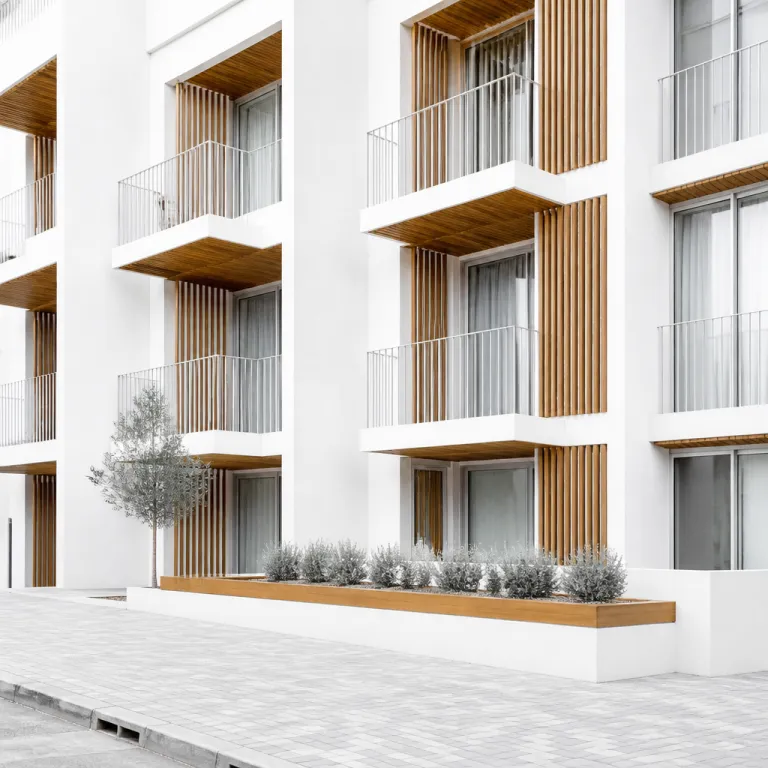
Reading the short-term rental neighbourhood impact from the lobby door
Step out of a condo hotel elevator and you can often sense the short-term rental neighbourhood impact before you reach the street. In buildings where a high share of units has shifted from long term housing to short-term rentals, the hallway culture changes first, and that subtle shift now defines how premium condo stays feel in the middle of a busy city. For business leisure travelers, the difference between a building shaped by one short-term rental and a corridor dominated by multiple short stays is the difference between living in a neighbourhood and passing through a commercial lodging zone.
Across the United States and Europe, the rise of Airbnb and other home-sharing platforms has turned entire floors of condominiums into de facto vacation rentals. Short-term rental platforms act as facilitators, while property owners behave more like participants in a hospitality industry, and the result is a new type of short-term rental market that sits somewhere between hotel and private residence. This hybrid market has clear economic upside for owners and guests, yet its impact on the surrounding housing market and on the local social fabric is now impossible to ignore.
Global data from Airbnb’s 2023 fact sheet report around 7 million active listings worldwide, and that scale concentrates in specific city districts rather than spreading evenly. Where short-term rentals cluster, rental prices for both vacation stays and long term leases tend to rise, because every property that moves into the short-term rental market is one less apartment available for permanent residents. Do short-term rentals increase housing prices? Yes, they can reduce housing supply, raising prices.
Urban retreats and the new hallway culture of condo hotels
In luxury condo hotels, the short-term rental neighbourhood impact is felt in the way a building breathes from morning to night. A tower with a balanced mix of permanent residents and a few carefully managed short-term rentals will usually feel calm, neighbourly, and quietly efficient, while a tower where most doors belong to rotating vacation rentals can feel like an airport gate that never closes. For the executive extending a business trip, that hallway culture matters as much as the thread count or the size of the balcony.
When many units convert to short-term rentals, the building’s unwritten rules evolve and the local sense of responsibility can weaken. Fewer long term residents means fewer eyes on the lobby, less informal stewardship of shared property, and more tolerance for late arrivals rolling suitcases close to midnight. Local residents often report that short-term rentals alter neighborhood dynamics, and they are usually describing this precise shift from stable housing to transient occupancy rather than a single noisy listing.
In Asian capitals such as Taipei, the most refined urban retreats now curate this balance deliberately, keeping some inventory for regulated short-term rentals while preserving a core of owner occupied apartments. If you are comparing elegant urban retreats in Taipei for a refined condo hotel experience, you will notice that the best managed properties explain clearly how they handle short-term stays and visitor flows. Are short-term rentals legal everywhere? No, legality varies by location.
How regulation and data are redrawing condo hotel maps
Walk through Berlin’s inner districts and you can feel how rental regulation has already reshaped the short-term rental neighbourhood impact. Following the city’s Zweckentfremdungsverbot law, thousands of units have been returned from vacation rentals to long term leases, and the streets where this shift happened now host fewer luggage laden visitors and more residents carrying groceries home. For travelers booking premium condo hotels, that regulatory story quietly determines which blocks still have inventory and which have reverted to primarily residential housing.
Local governments in cities from Barcelona to Amsterdam now use detailed data to regulate short-term rentals street by street. They impose occupancy taxes, cap the number of days a property can operate as a short-term rental, and in some cases require that only primary residences can enter the short-stay market. Are short-term rentals legal everywhere? No, legality varies by location.
For the business leisure guest planning a month in Lisbon or a week in a central European city, these rules translate into very practical questions about where you can book a condo style stay. Mid duration rentals, often marketed as flexible term rentals, sit in a grey zone between classic vacation rentals and corporate housing, and they are particularly sensitive to new rental regulations. When you read about what a mid term condo rental actually costs in Lisbon, you are also reading a story about how local governments regulate short stays to protect affordable housing and neighbourhood character.
The traveller’s trade off: convenience versus authentic local texture
From a guest’s perspective, the short-term rental neighbourhood impact is not purely negative or positive. Streets with a high density of short-term rentals often feel frictionless for visitors, because hosts know the local cafés, the airport transfer options, and the fastest routes to the commercial districts. Competition within that micro rental market can lift service standards, as property owners invest in better bedding, smarter check in systems, and more responsive concierges.
The trade off appears when the same street begins to feel more like a vacation rental corridor than a lived in neighbourhood. You may find three excellent restaurants close to your condo hotel, yet notice that the people at every table are also visitors, and that the local bakery has turned into a grab and go brunch spot catering to short-term guests. How do short-term rentals affect communities? They can disrupt neighborhoods and increase noise.
For many executive travelers, the ideal urban retreat now sits just beyond the highest density of rental platforms, on a block where you still hear school runs in the morning and see neighbours chatting by the entrance at night. That is where the short-term rental neighbourhood impact feels balanced, with enough visitor demand to support good services but not so much that the housing market tips entirely toward transient stays. In these pockets, a condo hotel can offer the privacy of an apartment, the reliability of a hotel, and the local authenticity that makes extending a business trip into a real vacation feel worthwhile.
Economic impact on housing, pricing and property rights
Behind every polished condo lobby, there is a spreadsheet where the economic impact of short-term rentals is calculated line by line. For property owners, the difference between renting a unit as a long term lease and operating it as a regulated vacation rental can be several hundred euros per month, especially in prime city districts. Average rental income from platforms such as Airbnb, reported at around 924 USD per month for typical hosts in recent company disclosures, illustrates why many owners choose the short-term rental market over traditional tenancies.
This shift has consequences for the broader housing market, particularly in neighbourhoods where a large share of apartments move from residential housing into commercial style rentals. Local residents then face higher rental prices, reduced availability of affordable housing, and a sense that property rights are being reinterpreted in favour of investors rather than occupants. Are short-term rentals legal everywhere? No, legality varies by location.
Local governments respond with rental regulations that aim to regulate short stays without crushing the tourism industry that supports many city economies. They may introduce new occupancy taxes, tighten licensing rules, or limit the number of short-term rentals allowed per building, and each of these tools subtly changes which blocks remain attractive for condo hotels. For travelers, understanding this regulatory and economic context helps explain why some neighbourhoods feel saturated with vacation rentals while others retain a quieter, more residential rhythm.
Choosing the right building: how to read a block before you book
For a luxury or premium condo stay, the most practical way to manage the short-term rental neighbourhood impact is to read the building and the block before you commit. Start with the address and look at how close it sits to major commercial corridors, nightlife clusters, and transport hubs, because these factors usually correlate with higher densities of short-term rentals. Then read the property description carefully to see whether the operator explains how many units are dedicated to short-term stays and how they manage guest flows.
The sweet spot for many business leisure travelers is a building where most units remain owner occupied or on long term leases, with a smaller number of professionally managed short-term rentals that benefit from hotel grade housekeeping and maintenance. This mix preserves the local social fabric while still offering the flexibility and privacy that define the best condo hotels, and it reduces the risk of staying in a corridor that feels like a transient dormitory. When you find an address that offers this balance, you are effectively choosing a curated version of the short-term rental market rather than its most extreme form.
Before booking, check whether the operator is transparent about compliance with local rental regulation and occupancy taxes, because that transparency signals respect for both property rights and neighbourhood stability. A host or management company that engages constructively with local governments is more likely to maintain high standards, respond quickly to issues, and protect the long term value of the property. For you as a guest, that means quieter nights, better maintained common areas, and a more grounded sense of living in the city rather than floating above it.
Key statistics on short-term rentals and neighbourhood change
- Global Airbnb listings reached roughly 7 million active listings worldwide according to the company’s 2023 data, concentrating especially in major city centres where condo hotels and vacation rentals compete directly for space.
- Average rental income per month for typical hosts on Airbnb is reported at about 924 USD in recent company summaries, a figure that helps explain why many property owners shift units from long term leases into the short-term rental market.
- In several European cities, including Berlin and Barcelona, thousands of apartments have been returned from short-term rentals to long term housing after stricter rental regulations, illustrating how local governments can regulate short stays to influence the housing market.
- Community surveys by municipal housing departments consistently show that short-term rentals can disrupt neighborhoods and increase noise, especially in buildings where a high proportion of units operate as vacation rentals rather than primary residences.
- Policy reviews from urban planning institutes confirm that short-term rentals can reduce housing supply, raising prices for both renters and buyers in districts where short-term stays are heavily concentrated.
FAQ about short-term rentals and neighbourhood impact
Do short-term rentals increase housing prices in condo hotel districts ?
Do short-term rentals increase housing prices? Yes, they can reduce housing supply, raising prices. In condo hotel districts where many units convert from long term leases to vacation rentals, fewer apartments remain available for residents, which pushes rental prices upward. This effect is strongest in central city areas with high tourism demand and limited new construction.
Are short-term rentals legal in every city where condo hotels operate ?
Are short-term rentals legal everywhere? No, legality varies by location. Local governments set their own rental regulations, including licensing rules, maximum nights per year, and zoning restrictions that determine whether a property can operate as a short-term rental. Travelers should always verify rental legality before booking, especially in historic centres and tightly regulated housing markets.
How do short-term rentals affect daily life for neighbours in mixed buildings ?
How do short-term rentals affect communities? They can disrupt neighborhoods and increase noise. In mixed buildings where many units function as short-term rentals, neighbours often report more late night arrivals, frequent elevator use, and a general loss of familiar faces in the hallway. Well managed condo hotels mitigate this by enforcing clear house rules, investing in soundproofing, and maintaining on site staff to handle issues quickly.
What should travelers look for to minimise their impact when booking a condo stay ?
Responsible guests can reduce the short-term rental neighbourhood impact by choosing licensed properties that comply with local rental regulation and occupancy taxes. It helps to respect local norms, keep noise low in common areas, and treat the property as if it were your own long term home. Travelers should also be mindful of neighbours by avoiding large gatherings and following building guidelines on check in, waste disposal, and shared facilities.
Can short-term rentals bring any benefits to the blocks they occupy ?
Short-term rentals can support local cafés, restaurants, and small shops by bringing a steady flow of visitors to the same streets. In some cases, this extra spending helps maintain services that residents value, especially in districts where the traditional retail market is fragile. The key is balance, with enough visitor demand to sustain amenities without displacing residents or overwhelming the housing market.