Miami, south Florida and the condo advantage for match days
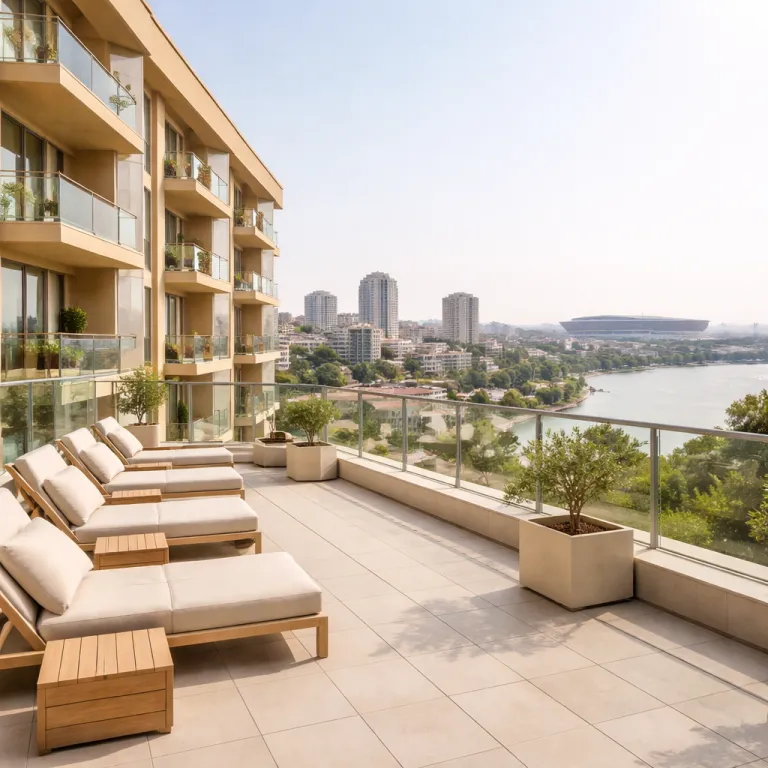
Miami is already behaving like the reference point for any World Cup 2026 condo rental strategy. Luxury condo villas along Biscayne Bay and high-rise vacation rentals in Brickell are seeing rate projections that mirror peak Art Basel periods, especially around each group stage match at Hard Rock Stadium. During Art Basel 2023, for example, STR reported Miami short-term rental average daily rates (ADR) above $400, and early host city forecasts from local managers suggest similar spikes for prime June and July fixtures. For couples and small group travelers, the ability to book a private villa or serviced condo with two bath suites and generous guest bedrooms is quickly becoming more attractive than a standard hotel stay near the stadium.
In south Florida, the geography matters as much as the fixtures on the FIFA schedule. Hard Rock Stadium sits inland between Miami and Fort Lauderdale, so a well-chosen villa in North Miami Beach or a condo in Sunny Isles can cut your match day travel time while keeping you close to the ocean. Early host city data from Miami tourism dashboards and short-term rental reports already shows that vacation rentals in this corridor are tracking higher than previous peak seasons, with some villa rentals in core Miami neighborhoods quoting nightly rates 30–60 percent above their usual June averages. One local host recently noted that a three-bedroom bayfront condo that typically lists at $450 per night is already penciling in $700–$800 for projected World Cup dates.
Regulation is the quiet variable that will shape every World Cup stay in Florida. Miami Beach is known for some of the strictest rules in the state, with substantial fines for illegal short-term rentals, so serious travelers are gravitating toward licensed condo hotels and professionally managed villa rentals instead of casual listings. Miami Beach code enforcement has issued thousands of citations in recent years, and posted penalties can exceed $1,000 per violation, which makes compliance more than a formality. For couples planning a World Cup 2026 condo rental, that means prioritizing buildings with clear permitting, on-site staff, and transparent policies on guests, parking, and minimum nights, especially if you are coordinating a group stay that spans both Miami and Fort Lauderdale matches.
To make those choices more concrete, compare three common bases. Brickell offers walkable dining and transit, with higher nightly prices but easy access to downtown fan zones. North Miami Beach and Sunny Isles usually sit in a mid-range price band, trading a slightly longer drive for quieter beachfront condo towers. Downtown Miami can deliver more budget-friendly condo stays on non-peak nights, but parking and event traffic around major fan areas may offset the savings on match days. One couple who tested a June “rehearsal stay” in Brickell described their experience this way: “We paid more per night than in North Beach, but we walked to the Metromover, skipped rideshares after late matches, and still had a quiet condo to come back to.”
Los Angeles, New York City and urban retreats near the stadiums
On the opposite coast, Los Angeles is shaping up as the flagship west coast host city for any World Cup 2026 condo rental plan. The city’s short-term rental rules cap many hosts at a limited number of nights per year, which compresses availability around key FIFA World Cup dates at SoFi Stadium and pushes discerning guests toward licensed condo hotels in Downtown, Hollywood, and the beach cities. Under the city’s home-sharing ordinance, most primary-residence hosts are limited to 120 booked nights annually unless they obtain extended-use approval, so many are already reserving those nights for high-demand windows. For couples who want a private urban retreat, a high-floor villa-style condo with two bath layouts and separate guest bedrooms offers a calmer base than a crowded fan hotel near the stadium.
Neighborhood choice in Los Angeles can define the entire rhythm of your stay. A design-forward condo in Playa Vista keeps you close to the airport and training facilities, while a villa-style rental in the Hollywood Hills or Beverly Hills gives you cinematic views and quick freeway access to SoFi Stadium for every match. Local data on vacation rentals from STR and AirDNA shows that group travelers are already clustering around metro lines and major arterials, using condo villas as shared hubs where a group can cook, regroup between fixtures, and move together to each stadium without relying solely on rideshares. In one recent case study from a local manager, a four-person group split a two-bedroom Playa Vista condo at roughly $550 per night during a summer concert weekend, undercutting the cost of two comparable hotel rooms nearby.
For planning purposes, think in terms of trade-offs. Playa Vista and nearby Westchester often offer mid-range nightly prices and shorter airport transfers, but you will rely more on rideshares to reach nightlife. Hollywood and Hollywood Hills rentals can be pricier yet place you near entertainment districts and central transit, with steeper parking and noise levels. Beach cities such as Santa Monica and Manhattan Beach usually command premium rates, rewarding the spend with oceanfront walks and cooler evenings after hot match days. A frequent visitor summed up the choice this way after a recent stay: “We paid Santa Monica prices, but being able to walk the beach at night and then take the Expo Line toward downtown on non-match days made it feel like a real vacation, not just a stadium commute.”
New York City presents a different puzzle for World Cup travelers who prefer condo stays. Local Law 18 sharply restricts many short-term entire-home rentals under 30 days, effectively pushing visitors toward legal condo hotels, extended-stay properties, or longer minimum stays in registered apartments. The city’s enforcement office has been actively removing unregistered listings, and hosts who ignore the rules risk significant fines, so inventory that remains online closer to 2026 is likely to be heavily filtered. For couples planning a World Cup 2026 condo rental around matches in the wider metropolitan area, that means treating New York City as a cultural base while possibly sleeping in nearby host cities with more flexible short-term rules, then using rail links to reach each match.
Choosing the right neighborhood-level base in these dense cities requires more than scanning photos of villas and condos. A practical way to apply the neighborhood test is to walk through zoning maps, transit lines, and stadium access before you book, using resources that explain how to choose a condo stay that feels like living there. In Los Angeles, that might mean confirming whether your villa-style condo sits within a designated home-sharing zone and checking how long it really takes to reach SoFi Stadium at rush hour. In New York City, it can mean verifying that a condo hotel is properly registered and that your stay length complies with local rules. Couples who prioritize morning walks to local cafés over lobby bars will find that a well-located villa-style condo in Los Angeles or a compact but efficient apartment in New York City can turn a hectic FIFA World Cup itinerary into a more grounded urban retreat.
Rates, regulations and how to read condo listings in host cities
Across all host cities, the economics of a World Cup 2026 condo rental are already diverging from normal patterns. Industry analyses from firms such as Deloitte and STR have projected substantial host earnings from short-term rentals, and early data from host-friendly markets shows nightly rate peaks for prime matches that can reach several times baseline. Deloitte’s recent outlook on mega-events, for instance, notes that major tournaments can lift local accommodation revenue by double digits, while STR’s historical data from previous World Cups and Super Bowls shows ADR surges of 50–200 percent in core neighborhoods. For couples and small group travelers, that makes the cost per guest in a two or three bedroom villa or condo surprisingly competitive compared with multiple hotel rooms, especially when you factor in kitchen space and laundry for longer-stay itineraries.
To compare options quickly, use a simple checklist when you scan listings in any host city:
- Regulatory status: Look for a license or registration number, maximum guest count, and whether the host must be present, then cross-check against municipal short-term rental registries where available.
- Location and access: Map the distance to stadiums, rail lines, and fan zones, and estimate real travel times on match days rather than relying on generic driving times.
- Layout and privacy: Confirm separate guest bedrooms, the number of bath suites, and whether there is a genuinely private outdoor space where your group can decompress after a match.
- Policies and fees: Read house rules on extra guests, quiet hours, and parking, and compare cleaning fees and security deposits across similar condo and villa rentals.
Regulatory tiers are now as important as stadium proximity when you compare vacation rentals. Kansas City has introduced targeted event permitting for the tournament window, while Dallas and Houston are refining enforcement, and these differences will influence where serious hosts invest in villa rentals and condo inventory. For travelers focused on matches in Florida, Los Angeles, or New York City, the safest approach is to prioritize professionally managed properties that clearly state licensing, maximum guests, and host presence requirements, then verify that information through official city resources. A vetted listing might, for example, display a city registration number, specify that it allows up to four guests in two bedrooms, and clearly outline whether the owner lives on-site.
Reading a condo listing with a FIFA World Cup lens means looking beyond the headline rate and the stadium distance. Pay attention to floor plans that show separate guest bedrooms, the number of bath suites, and whether amenities like parking, laundry, and air conditioning are included rather than optional extras. Many experienced travelers now rely on structured frameworks for decoding condo stay reviews, then apply the same scrutiny to every World Cup 2026 condo rental they consider in Miami, Los Angeles, Beverly Hills, or any other host city. One repeat visitor to major tournaments described their method simply: “I read the last ten reviews, filter for comments about noise and check-in, and only then look at the photos.”
Urban condo hotels and villa-style rentals also offer resilience when fixtures shift between group stage and knockout rounds. A flexible cancellation policy, clear house rules on extra guests, and transparent cleaning fees can matter as much as the view of a stadium or the promise of a quick rideshare to SoFi Stadium or Hard Rock Stadium. For couples planning a multi-city FIFA World Cup itinerary, it is often wiser to secure a series of shorter condo stays in different host cities than to gamble on one long booking, a strategy explored in depth in recent reports on what record demand means for condo travelers. That approach lets you adapt to bracket changes, sample different neighborhoods, and keep your nightly rate aligned with real-time market conditions instead of locking into one inflexible reservation.