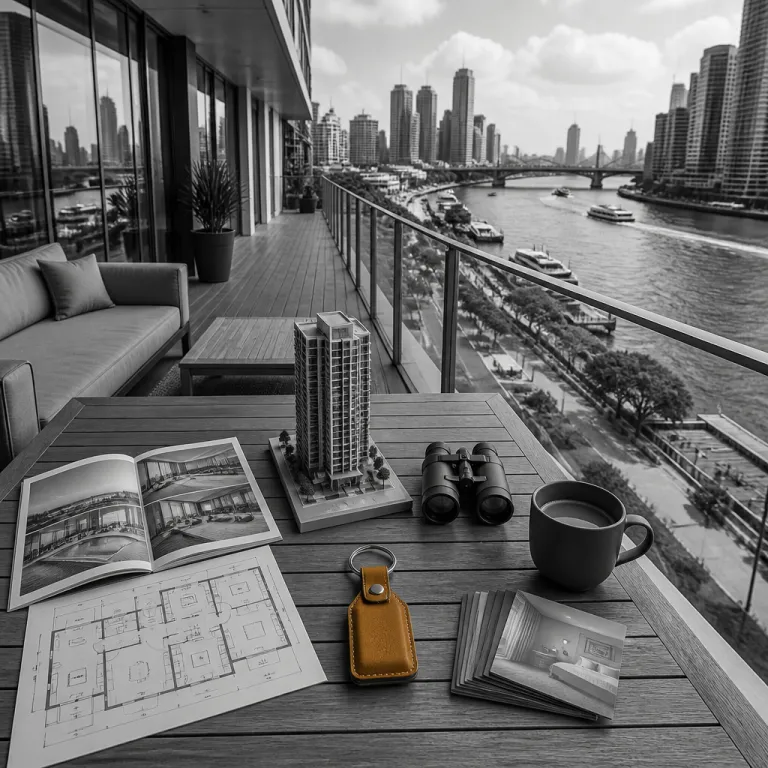
Why a refined riverfront view transforms an urban retreat
A true riverfront view changes how you feel the city from the moment you wake. In luxury condo hotels, the calm movement of the river contrasts with the energy of downtown streets, creating an urban retreat that feels both connected and serene. When you book, focus on how the river, the skyline, and the surrounding park system align with your personal travel rhythm.
Urban planners and developers have spent decades reshaping each riverfront so that residents, travelers, and community members can enjoy open space, public art, and high end dining within a short walk. This is why the most sought after condo hotels sit where the river meets the main cultural arteries of the city, often beside a riverfront park or a landscaped promenade. In these areas, a premium riverfront view is not just about river views from your balcony, but about the entire experience of stepping out into a great place that feels thoughtfully designed.
Global urban development data shows that property values near a riverfront increase significantly, which explains why luxury condo hotel brands compete for the best riverfront space. UN-Habitat’s World Cities Report 2020: The Value of Sustainable Urbanization notes that roughly half of the world’s urban population lives in cities that developed along rivers or other waterways, so the demand for a refined riverfront view in both singular and multiple river views continues to grow. For travelers, this means more choice, but also a stronger need to learn how design, location, and community engagement shape the quality of each stay.
How urban design and landscape architecture shape your riverfront stay
Behind every memorable riverfront view there is a careful master plan created by urban planners, architects, and landscape architects. In many river city destinations across the United States, landscape architects work with municipalities and private investors to turn former industrial riverfront areas into elegant mixed use districts. A well documented example is the transformation of the South Platte River corridor in Denver, where obsolete rail yards and warehouses evolved into a walkable riverfront neighborhood with parks, trails, and residential towers that include condo hotel style accommodations.
Professional guidance from organizations such as the American Society of Landscape Architects and the Urban Land Institute emphasizes the same core themes: riverfront properties are desirable because they combine scenic views, recreational access, and long term value, yet they must address flood risk, environmental impacts, and complex regulations. When you choose a condo hotel, you benefit from this expertise, because the same society of landscape professionals that guides public riverfront park projects also influences private developments. Their work helps ensure that your riverfront view is framed by resilient riverfront park landscapes, thoughtfully lit street art, and safe open space rather than by parking lots or unused industrial land.
For travelers who value architecture, it is worth reading about how landscape architects and urban designers collaborate with local community members. They balance flood protection, ecological restoration, and guest comfort so that every riverfront view feels secure and timeless, even during seasonal changes in the river. During one recent stay in a Midwestern river city, a guest described the effect simply: “From my corner suite I watched the river rise after a storm, but the terraced park below stayed open and inviting—it felt designed for both beauty and safety.” If you enjoy design, you can learn more about how conference facilities and flexible event spaces enhance these urban retreats by exploring analyses of elevated condo hotel stays, such as the detailed case study on how conference facilities elevate urban condo hotel experiences.
Choosing the right downtown riverfront area for your trip
Not every downtown riverfront area offers the same atmosphere, even when the riverfront view looks impressive in photos. Some river city districts in the United States focus on nightlife, with a bar on almost every street, while others emphasize quiet park networks and family friendly open space. Before you book, decide whether you want to be in the heart downtown, close to the main cultural venues, or slightly upstream where the river views feel more residential and calm.
Look closely at maps to see how the riverfront connects to the wider region, including airports, train stations, and major highways. A condo hotel that sits beside a riverfront park but far from the rest of the city may offer a peaceful view, yet it can complicate your dining plans and evening activities. By contrast, a property located in the heart downtown, near a great place for public art and local festivals, will give you a richer experience of the community, even if the riverfront view shares space with bridges and active street traffic.
When you travel with a larger group, the space inside your condo hotel becomes as important as the panorama outside. In that case, consider guidance on where the space equation works best for groups, such as the insights shared in this analysis of condo stays for groups of eight or more. A generous floor plan with multiple river views from different rooms can turn a simple stay into a shared urban retreat, especially when the design allows everyone to enjoy the riverfront without crowding onto a single balcony.
Inside the condo hotel: design details that elevate a riverfront view
Once you have chosen your preferred city and riverfront area, the next step is to evaluate how each condo hotel frames its riverfront view from the inside. Floor to ceiling glazing, corner suites, and thoughtfully placed seating can make a modest river feel dramatic, while poor interior design can flatten even the most spectacular river views. Pay attention to how the living space, bedroom, and dining area align with the windows, because this determines whether you enjoy the riverfront from morning coffee to late night room service.
Luxury condo hotels that take design seriously often collaborate with interior designers who understand both hospitality and residential living. They create flexible open space where you can work, relax, and entertain without losing sight of the river, even when you move between the bar area, the sofa, and the dining table. In some properties, a master plan for the entire floor ensures that every unit has at least one strong riverfront view, while premium corner residences offer multiple river views that capture both the river and the skyline.
Look for subtle references to the river and the surrounding park in the art on the walls, the textures of the materials, and the color palette. When the interior design echoes the landscape outside, your experience feels more coherent, and the riverfront view becomes part of a complete sensory narrative rather than a separate postcard. This level of detail is what distinguishes a standard city stay from a true urban retreat, where the river, the street life, and the interior space all speak the same visual language.
Dining, nightlife, and community along the riverfront
A refined riverfront view is only the beginning of an immersive stay, because the streets below your condo hotel shape your daily experience. Many revitalized riverfront districts now feature curated dining promenades, where local chefs reinterpret regional cuisine in spaces that open directly onto the riverfront park. When you plan your trip, check whether the condo hotel connects to a riverside street lined with cafés, wine bars, and public art, or whether you will need to cross busy roads to reach the water.
Some of the most successful riverfront transformations in the United States have turned former industrial zones into community focused districts that feel like a great place to live as well as to visit. The San Antonio River Walk, for example, evolved from a flood control project into a layered network of walkways, restaurants, hotels, and public art that demonstrates how a riverfront can serve both residents and visitors. These projects often involve close collaboration between developers, community members, and landscape architects, who work together to ensure that the riverfront remains accessible and welcoming. As a guest, you benefit from this effort when you can stroll from your condo hotel lobby to a landscaped terrace, enjoy live music at a bar with river views, and then walk safely back along a well lit park path.
To understand the character of a river city before you arrive, explore how local residents present their riverfront on Facebook, Instagram, and other social platforms. Many municipalities and tourism boards maintain Instagram, LinkedIn, and similar channels where they share updates about new public art, seasonal events in the riverfront park, and changes to the master plan for the riverfront area. This informal media contact gives you a sense of how the community uses the riverfront space day to day, which is often more revealing than any polished brochure.
Planning a seamless riverfront condo hotel stay
To make the most of your riverfront view, start your planning with practical steps that respect both the river and the city. Check local weather patterns carefully, because riverfront areas can feel cooler and windier than inland neighborhoods, especially in regions with wide rivers. When you pack, consider layers that allow you to enjoy evening walks along the riverfront park without cutting your stroll short.
Responsible travel also means understanding how urban development along the river balances economic growth, environmental sustainability, and community engagement. Many riverfront projects worldwide now integrate green infrastructure, such as permeable pavements and restored wetlands, to manage flood risk while preserving access to the water. As a guest, you can support this approach by choosing condo hotels that communicate clearly about their environmental assessments, their collaboration with landscape architects, and their respect for local regulations that protect the river ecosystem.
When you compare destinations, you might weigh a mountain resort against a river city, especially if you are considering a ski trip that could be combined with an urban stay. For example, this detailed comparison of which Colorado mountain village suits your ski trip shows how different landscapes shape the feel of a condo hotel stay. In every case, whether you choose a riverfront in the heart downtown or a high altitude valley, remember that your rights reserved as a guest include clear information, transparent pricing, and accessible options to skip content that does not serve your needs when you navigate booking platforms.
Key statistics and figures about riverfront stays
- UN-Habitat’s World Cities Report 2020 notes that around half of the global urban population lives in cities historically structured around rivers and other waterways, which helps explain the strong demand for condo hotels with a riverfront view in major cities.
- Analyses summarized by the Urban Land Institute in its 2016 waterfront development report indicate that property values near well designed riverfronts can increase by roughly 10–20 %, with many case studies clustering around a 15 % uplift, making riverfront areas prime locations for luxury and premium condo hotel developments.
- Urban development timelines show a clear shift from industrial riverfront use to modern revitalization, with mixed use districts combining residential towers, hotels, dining streets, and open space along the river.
- Many riverfront master plans now include specific targets for green space per resident, ensuring that every new development contributes to a network of parks, promenades, and public art installations along the river.
- Municipal planning documents in several United States river cities highlight that successful riverfront projects rely on partnerships between public authorities, private developers, and local community members to maintain long term quality.
FAQ about riverfront view condo hotels
What exactly is meant by a riverfront view in a condo hotel ?
A riverfront view in a condo hotel means that your room or suite directly overlooks a river, with minimal visual obstruction between your windows and the water. In the best properties, you can see both the river and key elements of the city skyline, such as bridges, towers, or a nearby riverfront park. Some premium units offer multiple river views from different rooms, including the living space and bedroom.
Why are riverfront condo hotels often more expensive than other options ?
Riverfront condo hotels tend to be more expensive because land along the river is limited and highly valued, especially in downtown areas. Urban development research, including analyses by the Urban Land Institute, shows that properties near well designed riverfronts can command higher prices due to scenic views, recreational access, and proximity to cultural attractions. Guests are willing to pay a premium for the combination of a strong riverfront view, convenient location, and high quality design.
How can I check whether a riverfront view is truly unobstructed before booking ?
To verify the quality of a riverfront view, study recent guest photos on review platforms and social media, rather than relying only on official images. Use online maps with satellite and street views to see how close the building sits to the river and whether other structures block the view. You can also contact the property directly, ask for the exact room orientation, and request confirmation that your windows face the river rather than an interior courtyard.
Are riverfront areas safe during periods of high water or flooding ?
Many modern riverfront developments are designed with flood resilience in mind, using elevated structures, reinforced embankments, and landscape features that manage excess water. When you book a condo hotel, look for information about local flood management strategies and compliance with environmental regulations. If you travel during a rainy season, check local weather updates and follow any guidance from hotel staff regarding riverfront paths or park closures.
What should I prioritize if I must choose between a better view and a better location ?
If you must choose, decide whether you value daily convenience or the emotional impact of the view more. A condo hotel slightly away from the heart downtown may offer a quieter, wider riverfront view, while a central property places you closer to dining, culture, and nightlife. Many travelers find that a balanced option, with a good riverfront view and easy access to key streets and parks, delivers the most satisfying overall experience.
References
- UN-Habitat – World Cities Report 2020: The Value of Sustainable Urbanization, chapters on urban form and proximity to water.
- Urban Land Institute – 2016 report on waterfront development and property values, including case studies of mixed use riverfront districts.
- American Society of Landscape Architects – Case studies on riverfront park and open space design in U.S. river cities, with examples from Denver’s South Platte River corridor and the San Antonio River Walk.