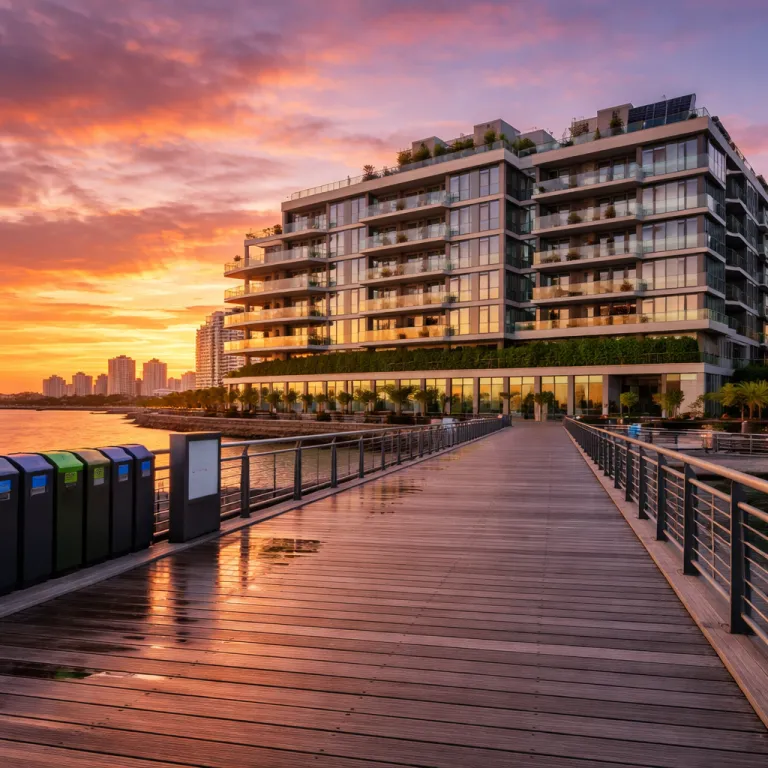
The greenwashing spectrum in luxury condo hotels
Luxury condo hotels have become the sharp edge of premium vacation rentals, and the green story is now part of the sales script. In this corner of the tourism industry, greenwashing vacation rentals range from soft exaggeration to environmental claims that are so misleading they distort how travelers understand sustainability. When a property markets an eco friendly vacation rental while running air conditioning at 18 °C and offering plastic wrapped amenities, the sustainability gap becomes impossible to ignore.
Real estate has already shown how far this can go, with condo developers and real estate agents using vague eco language to move units, and the same playbook now shapes how many condo style accommodations are presented on every major booking platform. Industry research and professional bodies such as the Royal Institution of Chartered Surveyors describe this pattern clearly; “What is greenwashing in real estate? Misleading marketing of properties as eco-friendly without substantial basis.” When that mindset migrates from sales brochures to hotel and vacation rental listings, the result is a wave of green vacation promises that rarely survive a close look at the actual property.
On the mild end of the spectrum, a business will highlight a single recycling bin or a low impact cleaning product and frame the entire property as sustainable eco hospitality. At the more serious end, some rentals and hotels imply carbon neutral operations or deep water conservation without any third party verification, while their energy use and waste streams remain unchanged. For condo travelers who care about sustainable travel, the risk is clear; you may pay a premium for environmentally friendly branding that does nothing to reduce your carbon footprint.
Luxury condo hotels are particularly exposed because their guests are affluent, eco conscious travelers who expect both comfort and credible sustainability. These travelers often extend a business trip into a longer vacation, and they want accommodations that feel like a private residence yet operate with the rigor of a well run hotel. That combination makes them prime targets for greenwashing vacation rentals, where the property managers know that a few green plants and a linen reuse card can look like a complete sustainable tourism strategy.
Across global destinations, from Singapore’s Marina Bay to Lisbon’s riverside districts, you now see condo properties using the same visual language of green leaves, recycled paper textures, and soft environmental claims. Some of these properties are genuinely energy efficient and powered partly by renewable energy, but many simply borrow the aesthetic of sustainable travel without changing their operations. For a traveler scanning dozens of vacation rentals on a glossy platform, it becomes difficult to separate a truly eco friendly vacation rental from a property that has only rebranded its marketing.
The data explains why this keeps happening; around 60 % of consumers say that green claims influence their purchasing decisions, and the number of green labeled properties has increased dramatically over the last decade according to consumer research from organisations such as Consumer Reports (2019 “Green Buying” survey) and the World Economic Forum (2020 consumer sentiment brief on sustainability). When you combine that demand with limited regulation of environmental claims in the tourism industry, you create ideal conditions for greenwashing vacation rentals to flourish. The result is a sustainability gap where the language of eco conscious travel races ahead of the reality on the ground.
What genuine sustainable condo accommodations look like
Authentic sustainable condo accommodations start with energy, because energy consumption usually represents the largest share of a hotel or vacation rental carbon footprint. A serious property will invest in energy efficient systems such as high performance glazing, smart thermostats, and LED lighting, then share those details transparently with travelers. Some of the most credible condo hotels now provide in room dashboards that show real time energy use, turning sustainability from a vague promise into visible data.
Water conservation is the second non negotiable pillar, especially in destinations where tourism industry demand strains local resources during peak vacation seasons. Look for properties that specify water saving fixtures, greywater reuse, and measurable reductions in laundry volumes rather than generic environmentally friendly messages about “respecting nature.” When a condo style hotel publishes its water conservation targets and reports progress annually, you are seeing sustainable tourism rather than marketing performance.
Waste and materials complete the operational picture, and this is where many greenwashing vacation rentals quietly fail. A property that still relies on single use plastics, miniature amenity bottles, and daily towel changes cannot credibly present itself as a sustainable eco leader. By contrast, a genuinely eco friendly condo hotel will use refillable dispensers, separate recycling streams in every unit, and work with local partners to compost organic waste from kitchens.
The building itself also matters, especially for long stay executive travelers who treat a condo as both office and home. Properties that integrate renewable energy such as rooftop solar, high quality insulation, and natural cross ventilation can maintain comfort with far less carbon intensive cooling. When those design choices are combined with low impact materials and responsible construction practices, the result is a property that supports sustainable travel every day, not just in the marketing copy.
Service culture is another clear differentiator between genuine sustainability and greenwashing vacation rentals. Staff who can explain the property’s environmental initiatives, from carbon neutral goals to local sourcing of food, signal that sustainability is embedded in operations rather than bolted on. When property managers train their équipe to track energy use, monitor water saving measures, and engage guests in eco conscious choices, the entire hotel becomes more than a label.
For travelers who want to align business and leisure stays with their values, the booking journey is where scrutiny should begin. Detailed listings that specify renewable energy percentages, third party certifications, and concrete carbon reduction measures are more trustworthy than vague green vacation slogans. Recognised certifications such as LEED and BREEAM for buildings, or Green Key, EarthCheck, and Green Globe for hospitality operations, provide independent benchmarks that go beyond self declared eco labels and help you understand why some platforms and rentals lean so heavily on environmental claims.
The condo advantage over traditional hotels in sustainable travel
Condo style accommodations have structural advantages when it comes to sustainable travel, especially for executives who blend meetings with a longer vacation. A self contained unit with a proper kitchen, laundry, and generous living space allows travelers to reduce restaurant waste, manage their own water saving habits, and live more like a local. That shift in daily rhythm can lower the carbon footprint of a trip more effectively than a dozen small gestures in a conventional hotel.
Because many condo properties operate on a smaller scale than large hotels, property managers can implement eco conscious changes more quickly and with less bureaucracy. A single building can move to renewable energy tariffs, install sub metering for energy efficient monitoring, and pilot low impact cleaning protocols without waiting for a corporate directive. When those changes are communicated clearly, the property becomes a credible alternative to greenwashing vacation rentals that only adjust their language.
Neighbourhood integration is another underused sustainability lever for condo stays. Guests who can walk 500 metres to a morning market, commute by tram to a meeting, and return to cook with local ingredients are participating in a more environmentally friendly form of urban travel. That pattern contrasts sharply with isolated resort style rentals where every movement requires a car, even if the property markets itself as a green vacation sanctuary.
For platforms that curate condo accommodations, the opportunity is to move beyond checkbox sustainability and into verifiable standards. A booking platform that requires third party certifications, transparent energy data, and clear environmental claims will naturally filter out the worst examples of greenwashing vacation rentals. Over time, that approach can build trust with eco conscious travelers who are tired of decoding marketing language on every listing.
Executives extending a work trip often prioritise reliability and service, and they should not have to trade those expectations for sustainable travel. The most advanced condo hotels now combine concierge style support with rigorous sustainability metrics, from carbon neutral targets to detailed reporting on water conservation. A mid sized condo hotel in Barcelona, for example, achieved Green Key certification after cutting energy use per occupied unit by more than 25 % in five years through LED retrofits, smart thermostats, and rooftop solar, while also reducing laundry volumes by shifting to opt in housekeeping.
Destination choice still matters, even when the focus is on the property level. Urban condo clusters with strong public transport, compact city centres, and walkable districts can make a week long stay far more low impact than a remote villa that requires multiple flights and long transfers. Guides to smart condo destinations, such as curated overviews of where discerning travelers are booking their next stays, can help align your choice of city, neighbourhood, and accommodations with your sustainability goals.
How travelers can audit sustainability claims before they book
Every eco conscious traveler now needs a personal checklist to navigate greenwashing vacation rentals, especially at the luxury end of the market. Start with the basics; does the listing provide specific data on energy sources, water conservation measures, and waste management, or does it rely on generic eco friendly language. A property that cannot explain how it manages energy efficient systems or reduces its carbon footprint is unlikely to be leading on sustainability.
Verification is your next filter, and this is where third party validation becomes essential. Look for recognised sustainable tourism certifications, independent audits, or partnerships with credible environmental organisations rather than self declared carbon neutral labels. When a property references external standards and publishes environmental claims that can be checked, you move away from pure marketing and toward accountable practice.
Direct questions still cut through the noise, especially in the condo segment where property managers are often closely involved. Before confirming a vacation rental, ask how the building sources its energy, what renewable energy share it achieves, and how it tracks low impact operations. The quality and speed of the response will tell you more about the business than any green icon on a platform.
For longer stays, request details on cleaning protocols, linen change frequency, and in room amenities, because these shape the daily environmental impact of your accommodations. A property that offers refillable amenities, optional housekeeping, and clear guidance on recycling is usually more aligned with sustainable eco practice than one that focuses only on headline claims. Over a ten night vacation, those operational details can significantly influence your overall carbon footprint.
It is also worth examining how a property engages with its local context, since sustainable tourism is not only about resource use. Ask whether the condo hotel supports nearby businesses, hires local staff, and encourages guests to use public transport or cycling rather than private transfers. When a property integrates environmental responsibility with social and economic considerations, it moves beyond the narrow frame of green vacation marketing.
Ultimately, travelers hold more leverage than they often realise, especially in the premium condo segment where nightly rates are high and expectations are clear. If enough guests choose genuinely environmentally friendly properties, leave detailed reviews that call out greenwashing, and reward transparent operators with repeat business, the market will shift. Greenwashing vacation rentals thrive on indifference; sustained, informed scrutiny from travelers is the most effective way to close the sustainability gap between label and reality.
Key figures behind the sustainability gap
- Approximately 60 % of consumers report that environmental claims influence their purchasing decisions for property and accommodations, which explains why so many rentals and hotels emphasise eco language in their marketing (Consumer Reports, “The Trouble with Green Labels,” 2019; World Economic Forum, “How Sustainability is Reshaping Consumer Demand,” 2020).
- The share of real estate projects marketed with some form of green or sustainable positioning has increased by around 150 % since the early 2010s, mirroring the rapid rise of greenwashing vacation rentals in the tourism industry (Real Estate Journal, global sustainability branding review, 2021; industry sustainability trend analyses from major property consultancies).
- Energy use typically accounts for close to 60 % of a hotel or condo style property carbon footprint, making energy efficient systems and renewable energy sourcing the single most powerful levers for genuine sustainable travel impact (International Tourism Partnership, “Hotel Global Decarbonisation Report,” 2017; UNWTO, “Climate Action in the Tourism Sector,” 2019).
- Industry research shows that roughly two thirds of travelers now prefer eco friendly or environmentally friendly accommodations when all other factors are equal, creating strong incentives for both authentic sustainable tourism and superficial green vacation branding (Booking.com, “Sustainable Travel Report,” 2023; global hospitality insights reports from major hotel groups).