From novelty to infrastructure: why condo stays now define the digital nomad era
Digital nomads are no longer a fringe tribe chasing cheap flights and café WiFi. The digital nomad condo visa 2026 moment signals that every serious country offering a nomad visa now has to think about where remote workers actually sleep, work and cook. For high earning remote workers, the workable condo has become the quiet center of a long term life lived in motion.
When a visa allows you to stay for many months or even several years, the gap between a vacation rental and a real work ready condominium becomes painfully clear. A valid nomad visa turns you from a guest into a temporary resident, so you start caring about the cost of living per month, the reliability of the building’s fibre connection and whether the neighbours respect quiet hours. Digital nomads who plan remote work around client calls and quarterly income targets need more than a pretty view and a desk pushed against a wall.
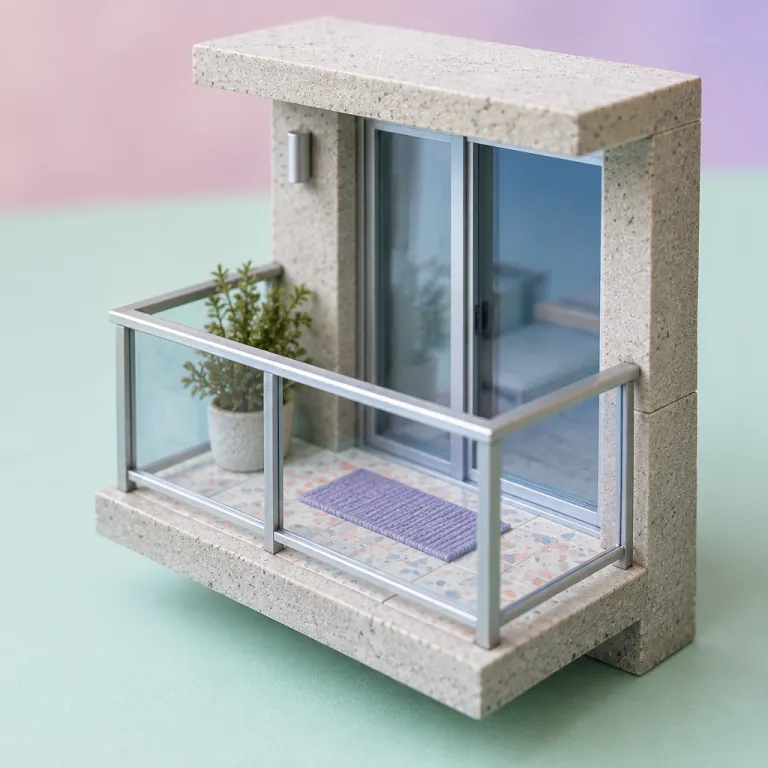
Luxury and premium condo hotels now design units around the digital nomad, not the weekend tourist. You see it in floor plans that separate the bedroom from the workspace, in long dining tables wired with power outlets and in balconies where nomads can take calls with a city skyline behind them. For many remote workers, the digital nomad condo visa 2026 trend means they will spend a full year or more in one country, so they expect a valid health infrastructure nearby and a concierge team that understands work first, sightseeing second.
What makes a condo truly workable for remote work, not just pretty on listings
A workable condo for remote work starts with infrastructure, not décor. Before you apply for any nomad visa, you should treat the condo listing like a due diligence file and ask for proof of WiFi speed tests, proof of ergonomic seating and proof of sound insulation between rooms. Luxury condo hotels that understand the digital nomad condo visa 2026 wave now publish upload and download speeds alongside square metres and balcony size.
Look for a dedicated workspace that is physically separated from the bed, because long term productivity depends on mental boundaries as much as on a valid passport. Remote workers who bill by the hour know that a wobbly chair or a low table can quietly erode income over a year of typing, so they ask for photos of the desk from multiple angles. Serious digital nomads also request proof remote work is actually comfortable, such as extra monitors, adjustable task lighting and enough power outlets for two laptops and a phone.
Premium condo hotels increasingly bundle health insurance guidance, visa requirements checklists and neighbourhood briefings into their pre arrival emails. In Lisbon, for example, several properties courting the Portugal digital crowd now offer mid term packages that align with the Portugal digital nomad visas, including cleaning schedules that respect call times and quiet coworking style lounges. For readers tracking future openings, the most interesting new condo properties worth watching are those that price monthly income friendly rates and publish clear policies on remote work guests, as highlighted in the new condo properties worth watching guide.
Visas, proof and paperwork: how legal stay shapes where nomads book condos
The rise of digital nomad visas has quietly redrawn the global condo map. Once a country launches a long term nomad visa that is valid for at least a year, luxury condo hotels in that destination quickly adjust their inventory toward monthly and quarterly stays. The digital nomad condo visa 2026 landscape now includes around 60 countries offering some form of visa for remote workers, and the most competitive ones align their accommodation infrastructure with the paperwork.
Most nomad visas share a familiar spine of requirements, even if the details vary by country. You usually need a valid passport, proof income above a set monthly income threshold, proof accommodation for at least part of your stay and proof remote work that is tied to clients or employers outside the host country. Authorities also ask for a clean criminal record, valid health insurance and sometimes a statement that your remote work will not compete with local workers, which matters for high profile executives who manage large teams.
Portugal is a useful case study, because the Portugal digital nomad visa allows long term stays that have turned Lisbon and Porto into semi permanent bases for digital nomads. The visa is valid for an extended period, provided you can show proof income that meets the minimum monthly income requirement and maintain valid health coverage. When the visa allows you to stay for several years, you start thinking about shoulder season strategies and rate resets, which is where guides such as the analysis of the September window when condo rates reset become part of your financial planning.
How to vet a luxury condo for a long term nomad visa stay
Choosing a condo for a nomad visa stay is closer to selecting a pied à terre than booking a holiday. Start by mapping your work hours against the local time zone, then check whether the building’s quiet hours and neighbourhood rhythm match your remote work schedule. Digital nomads who handle North American calls from Europe, for example, should ask for a unit facing an inner courtyard rather than a busy street, because late evening calls and early morning deliveries rarely mix well.
Next, interrogate the listing for evidence, not adjectives. Ask for proof accommodation meets your specific requirements, such as a separate room where you can close the door, a desk at standard height and a chair suitable for eight hours of work, then request a short video walk through to confirm. For a long term stay under a digital nomad condo visa 2026 program, you should also ask the property to confirm that the visa allows registration at that address if the country requires it for tax or residency purposes.
Financial due diligence matters as much as aesthetics when you plan to stay for years rather than weeks. Compare the cost of living in the neighbourhood with your expected income, then factor in health insurance premiums, co working passes if needed and any building fees for amenities you will actually use. For a deeper look at how self service stays can still deliver high service standards for remote workers, the analysis of why self service condo stays work is particularly relevant to nomads who prefer autonomy over a traditional front desk.
Forecast: where condo infrastructure is catching up with 43 million nomads
The digital nomad condo visa 2026 wave is forcing destinations to upgrade from ad hoc rentals to real infrastructure. Countries that treat digital nomads and remote workers as a long term asset rather than a short term tourism spike are quietly aligning visa valid periods, tax clarity and condo development pipelines. In these markets, you see luxury condo hotels designed from the blueprint stage with dual key layouts, soundproofed work dens and wiring that anticipates two remote workers in one unit.
Portugal, Spain, the United Arab Emirates and Costa Rica are early examples of this infrastructure mindset. Their nomad visas are structured to be valid for more than a single year, provided applicants maintain proof income, valid health coverage and a clean criminal record, and their developers are responding with buildings that feel like vertical neighbourhoods for digital nomads. As more countries compete for this mobile income, expect requirements to stabilise around clear monthly income thresholds, transparent tax rules and streamlined apply processes that can be completed fully digital.
For the traveller, the forecast is simple but powerful. The next generation of condo hotels will treat proof remote work readiness, valid health support and long term livability as core amenities, not optional extras. As the cohort of digital nomads grows from tens of millions toward a much larger global community, the best properties will be those where the visa, the building and the neighbourhood all work together so that your passport, your laptop and your life can stay open, stable and elegantly in sync.
FAQ
What is a digital nomad visa and how does it relate to condo stays ?
A digital nomad visa is a type of residence permit that allows remote workers to live in a country while earning income from employers or clients based elsewhere. Because this visa is usually valid for many months or even years, travellers often prefer condo hotels over standard rooms, since they offer kitchens, dedicated workspaces and better long term comfort. The digital nomad condo visa 2026 trend simply reflects the way these visas and condo style accommodation are now being planned together.
What documents do I usually need to apply for a nomad visa ?
Most nomad visas require a valid passport, proof income above a minimum monthly income threshold and proof accommodation for at least part of your stay. You are also typically asked for a clean criminal record, valid health insurance and proof remote work that shows your job or contracts are based outside the host country. Exact requirements vary by country, so always check the official immigration website before you apply.
Why are condo hotels better for remote workers than standard hotel rooms ?
Condo hotels usually provide more space, a proper kitchen and a layout that separates sleep from work, which is essential for long term productivity. For digital nomads on a visa that is valid for a year or more, this extra space makes it easier to maintain routines, manage health and host visiting colleagues or family. Many premium condo properties now also offer work ready furniture, reliable WiFi and services tailored to remote workers.
How does the cost of living affect where digital nomads choose to stay ?
Cost of living directly shapes which countries and cities are viable for long term remote work. Digital nomads balance their expected income against rent, utilities, health insurance, transport and daily expenses, then look for condo hotels that offer monthly rates aligned with their budget. Destinations with a favourable cost living profile and clear nomad visa rules tend to attract more remote workers who plan to stay for several years.
Is Portugal a good option for digital nomads seeking condo stays ?
Portugal has become a leading destination for digital nomads because the Portugal digital nomad visa allows relatively long term stays, provided applicants meet income and insurance requirements. Cities such as Lisbon and Porto now offer a wide range of luxury condo hotels with work ready layouts, strong connectivity and neighbourhoods that suit remote workers. Travellers who hold a visa valid for an extended period often use these cities as a base while exploring the rest of the country.