The space premium: why a solo traveler condo stay changes everything
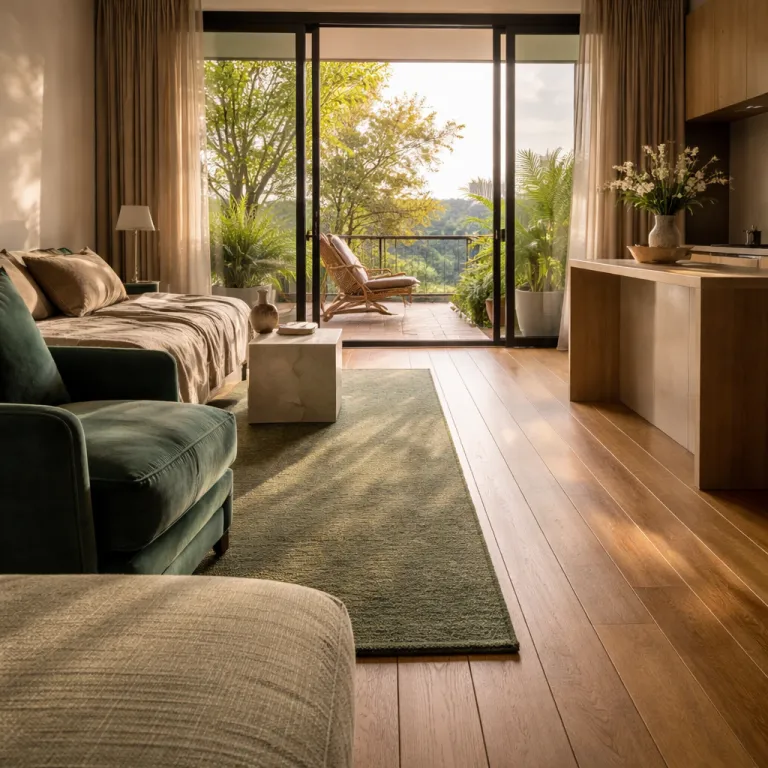
A solo traveler condo stay begins with one simple upgrade: usable space. Instead of a single chair beside a narrow bed, you gain a living room, a real kitchen and often a balcony that turns solo travel into a quietly luxurious daily ritual. For solo travelers who are used to a standard hotel room of around 20–30 square metres, stepping into a compact city condo of 45–70 square metres feels like moving from a cabin to a small house, and that extra room reshapes how you stay, plan your trip and actually rest.
Think about your last stay in a central hotel where the best feature was the blackout curtain. In a well designed condo, the standout feature is the way the morning light hits the dining table, the three minute walk to a local bakery and the sense that this is your own space rather than a public place you merely pass through. For many solo travelers, that shift from transient to temporary home is what turns traveling alone from a logistical exercise into a genuinely restorative trip.
Privacy is the other quiet luxury that defines a solo traveler condo stay. You control the soundtrack, the temperature, the cooking smells and the timing of every shower, which matters when you are balancing work, leisure and long term travel plans in one space. For a solo traveler who values independence, that level of control is often the best reason to book a condo instead of a hotel or an airbnb style vacation rental that feels more improvised than intentional.
Cost plays into this space premium in subtle ways that help you save money. A solo traveler who cooks one meal a day in a condo kitchen can often save enough over a week to offset the single supplement that some hotels still charge, especially in major cities across the united states and Europe. For example, preparing breakfast and a simple dinner at home in Lisbon or Montreal can easily save $20–$35 per day compared with eating out, which adds up quickly on a ten night stay. That estimate aligns with sample price comparisons from budget tracking tools such as Numbeo and city tourism boards, which routinely show basic café breakfasts at $8–$12 and simple restaurant dinners at $12–$20 in many urban centres.
Industry surveys on accommodation trends consistently highlight the benefits of this style of stay. One widely cited summary of guest feedback on serviced apartments answers the question, "What are the benefits of solo condo stays?" with three core themes: "Privacy, comfort, and flexibility." Those three words echo findings from organisations such as the Global Business Travel Association and the Association of Serviced Apartment Providers, and they capture why more solo travelers are choosing owned condos and serviced vacation rentals over traditional hotel rooms when planning a trip that needs to feel both efficient and deeply personal.
Choosing the right urban retreat: location, safety and the neighbourhood test
Finding the right location for a solo traveler condo stay starts long before you roll your suitcase along the pavement. You want a condo that sits in a neighbourhood where you can walk to a café in five minutes, reach reliable public transportation without crossing an empty underpass and feel comfortable returning late from dinner. For solo travelers, the best urban retreats balance proximity to a lively public place with the quiet of a residential street, so you can step into the city and then retreat just as easily.
Safety is not only about the building door code, although that matters when you are traveling solo and arriving after dark. Look for a condo in a mixed use area with grocery stores, pharmacies and small local restaurants, because these everyday products and services signal a lived in community rather than a nightlife strip that empties by day. If you ever feel uncomfortable during your stay, having a staffed lobby, clear emergency exits and neighbours who actually live there can be more reassuring than any marketing promise.
When you book, study the map with the precision you would use for an insurance policy. Check how far the condo is from the nearest metro or tram stop, and aim for a location that is no more than a ten minute walk along well lit streets, not shortcuts through deserted parks. For solo travelers who value outdoor exercise, being close to a waterfront path or urban park can turn a quick run into a daily ritual that anchors your trip.
Neighbourhood level research is where a solo traveler gains a real edge over less prepared travelers. Read recent reviews that mention noise, building security and how guests felt walking home at night, then cross reference those impressions with a detailed guide such as the neighbourhood focused advice in this condo neighbourhood test. Treat this stage of planning the trip as seriously as choosing travel insurance, because the right street can quietly save money, time and stress over the entire stay.
Your own emergency plan should be as practical as your packing list, especially when you are single and far from home. Save the condo address, host contact and local emergency numbers in both your phone and a paper copy, and identify at least one late night café or hotel lobby nearby where you could wait if you ever needed a safe public place. These small preparations rarely feature in glossy travel tips, yet they are what allow a solo traveler to relax fully once the door closes and the city hums softly outside.
Cost, value and when a condo beats a hotel for solo travelers
Money is often the quiet decider between a solo traveler condo stay and a traditional hotel booking. At first glance, a studio condo can seem more expensive than a compact hotel room, especially in central districts where award winning properties dominate the skyline. Look closer at the full stay, though, and you will see how a condo can help solo travelers save money without sacrificing comfort or safety.
Start with the basics that rarely appear in glossy brochures but matter on a real trip. A condo with a functional kitchen lets a solo traveler prepare breakfast, make coffee and assemble simple dinners, which can reduce restaurant spending by a third over a week long stay. In cities like Lisbon or Melbourne, where a basic café breakfast can cost $8–$12, making your own meal even half the time can free up enough budget to cover a higher nightly rate or a better located building.
Then consider the hidden costs that attach themselves to a hotel stay like small magnets. Laundry, workspace access, late checkout and even decent Wi Fi can be bundled into higher room categories, while a well chosen vacation rental or serviced condo includes these products and services in the base rate. For solo travelers on long term assignments or extended solo travel, those inclusions can save money quietly every day, turning a seemingly higher nightly rate into the best value over the full trip.
Comparing a condo hotel with a pure vacation rental or an airbnb style listing requires a clear view of your own travel plans. A condo hotel often offers the security and front desk support of a hotel with the square footage and kitchen of a vacation rental, which can be ideal when you are traveling solo and want both independence and backup. For a deeper breakdown of which format suits different travelers, the guide on condo hotel versus vacation rental is a useful framework when you book your next stay.
Finally, think about non financial value, because cost is only one axis of a solo traveler condo stay. Having a living room where you can stretch after a long flight, a desk where you can map out travel tips for the next day and outdoor space where you can breathe between meetings can transform how you experience the city. For many solo travelers, that blend of space, autonomy and subtle savings is what makes a condo feel less like temporary lodging and more like a house you inhabit for a chapter of your life.
Design, routine and the quiet rituals of living alone in the city
The real charm of a solo traveler condo stay lies in the routines you build once the suitcase is unpacked. You are not just passing through a hotel corridor but living, briefly, in a privately owned space that reflects the city outside in its materials, artwork and layout. For solo travelers who care about design and ambiance, this shift from generic décor to neighbourhood specific details can make solo travel feel more like a residency than a trip.
Mornings in a well designed condo follow a different rhythm from hotel life. You pad across proper flooring to a kitchen that actually works, make coffee in your own mug and open the window to hear the street wake up, rather than relying on a breakfast buffet that closes at a fixed hour. That freedom is especially valuable for single guests who are working across time zones, because it lets them align their stay with their own energy rather than the hotel schedule.
Workflows change too when you are traveling solo and have a real desk instead of a small table beside the bed. A condo gives you space to spread out maps, devices and travel plans, then leave everything in place when you step out for an afternoon of outdoor exploration or a meeting across town. For digital nomads and long term solo travelers, that continuity is worth as much as any amenity, because it turns a temporary stay into a functional base.
Evenings are where the emotional value of a solo traveler condo stay becomes clearest. You can cook something simple with local products from the market, stream a film without worrying about thin walls and step onto a balcony that feels like your own small theatre above the city. If you ever feel uncomfortable walking back late, you know you are returning not to an anonymous corridor but to a house like environment where your routines, from skincare to stretching, unfold without interruption.
For travelers who usually default to hotels or airbnb listings, this style of stay can feel quietly radical. It respects the fact that solo travelers are not a niche but a growing segment of global travel, with specific needs around privacy, safety and autonomy that a condo can meet with unusual precision. Once you have experienced that level of control over your environment, it becomes difficult to go back to a single room where the only place to sit is the bed.
Destinations where a solo traveler condo stay truly shines
Certain cities reward a solo traveler condo stay more than others, because their neighbourhoods are dense, walkable and rich in everyday detail. Tokyo, Lisbon, Melbourne and Montreal all offer districts where a single guest can live like a local while still accessing world class public transportation and cultural institutions. For solo travelers who value both safety and spontaneity, these cities combine the best aspects of urban life with the privacy of a well chosen condo.
In Tokyo, a compact yet cleverly planned condo near Shibuya or Nakameguro turns solo travel into a study in micro living. You might be only a five minute walk from a metro station, yet your building sits on a quiet side street where convenience stores, noodle shops and small parks create a soft landing after long days of exploring. For a solo traveler, the ability to retreat to a private, owned style space after the sensory intensity of the city is a form of wellness that no spa treatment can match.
Lisbon and Melbourne reward those who like to walk and watch. A condo in Lisbon’s Campo de Ourique or Melbourne’s Fitzroy places you among bakeries, wine bars and tram lines, so your daily route becomes a string of small pleasures rather than a commute. Solo travelers can save money by cooking with local products, then use the efficient public transportation to reach museums, waterfronts and outdoor viewpoints without relying on taxis.
Montreal offers a different kind of solo traveler condo stay, especially in neighbourhoods like Plateau Mont Royal or Mile End. Here, a condo with a balcony or small terrace becomes an extension of the street, letting you listen to conversations drift up from cafés while you plan the next day’s trip. For travelers from the united states, the city feels both familiar and foreign, which makes a condo that functions like a temporary house particularly grounding.
Across all these destinations, the same principles apply when you book. Look for buildings with clear safety features, read reviews that mention solo travelers specifically and choose locations where you can reach groceries, pharmacies and transit within a short minute walk. If you want to push beyond the usual hotel districts, the broader perspective on alternative stays in this guide to stays beyond hotels can help you find neighbourhoods where a condo stay feels less like a compromise and more like the best possible version of traveling solo.
Practical planning: safety, insurance and smart booking for solo condo stays
Planning a solo traveler condo stay calls for the same precision you would bring to a work project. Before you book, research property reviews carefully, confirm that the listed amenities match your needs and understand cancellation policies in case your travel plans change unexpectedly. Those three steps echo the expert guidance that advises travelers to "Research property reviews", "Confirm amenities", and "Understand cancellation policies" as non negotiable parts of any stay.
Travel insurance is another pillar that solo travelers should treat as essential rather than optional. A comprehensive policy that covers medical care, trip interruption and emergency evacuation can protect you if an emergency plan suddenly moves from theory to reality, especially when you are far from your usual support network. For long term solo travel or complex itineraries across several countries, consider products and services that include coverage for vacation rentals and condo stays, not just traditional hotels.
Safety inside the condo begins with the basics that professionals quietly check as soon as they arrive. Make sure doors and windows lock properly, locate the fire extinguisher and exits, and identify at least two routes out of the building, because redundancy matters when you are single and traveling solo. If anything feels off, from a broken latch to a corridor that makes you feel uncomfortable, contact the owner or property manager immediately rather than waiting.
Outside the condo, smart habits keep solo travelers both relaxed and alert. Share your itinerary with a trusted contact, avoid advertising that you are alone in casual conversations and choose meeting points in well lit public places rather than secluded corners. When using public transportation late at night, sit near the driver or other passengers, and keep your phone charged so that your emergency plan is more than a note in your head.
To make these steps easier to scan, use a simple solo rental safety checklist when you arrive:
• Confirm locks, smoke alarms and exits.
• Save local emergency numbers and the condo address.
• Identify a nearby 24 hour café, hotel lobby or pharmacy.
• Share your location or itinerary with someone you trust.
• Keep copies of key documents in both digital and paper form.
Finally, refine your own set of travel tips based on each solo traveler condo stay you complete. Note which locations felt safest, which layouts worked best for remote work and which hosts responded quickly when you had questions, then use that personal data to guide the next trip. Over time, you will build a private playbook that helps you find the best condos, save money without cutting corners and treat every stay as another step toward mastering the art of traveling solo with confidence.
FAQ
What are the main benefits of choosing a condo for a solo stay ?
The primary benefits of a solo traveler condo stay are space, privacy and flexibility. You gain a living room, kitchen and often outdoor access, which makes solo travel feel more like living than merely staying in a room. This setup is especially valuable for solo travelers who work remotely, cook for themselves or prefer a quiet, house like environment over a traditional hotel.
How do I safely book a condo as a solo traveler ?
Use reputable rental platforms, property management services or trusted travel agencies when you book. Always read recent reviews, confirm amenities directly with the owner and make sure cancellation policies align with your travel plans in case you need to adjust your trip. Many solo travelers also save the host’s contact details and local emergency numbers as part of their personal emergency plan.
Are solo condo stays cost effective compared with hotels ?
Solo condo stays are often more cost effective than hotels, especially for longer trips. Being able to cook, do laundry and work comfortably in one owned style space can help you save money on restaurants, services and upgrades that hotels usually charge as extras. This is why experts note that "Are solo condo stays cost-effective?" and answer clearly, "Often more affordable than hotels for longer stays."
What should I look for in the location of a solo condo ?
Prioritise a safe, well lit neighbourhood with easy access to public transportation, grocery stores and cafés within a short minute walk. Check that the building has secure entry, clear fire exits and reviews that mention solo travelers feeling safe when returning at night. A location that balances lively public places with quiet residential streets usually offers the best experience for a solo traveler condo stay.
How long can I stay in a condo as a solo traveler ?
Many condos welcome both short stays and long term bookings, depending on local regulations and owner preferences. If you are planning extended solo travel, look for listings that explicitly mention monthly rates, workspace and reliable Wi Fi, as these features support a longer stay. Always confirm the maximum duration and any house rules with the owner before finalising your reservation.