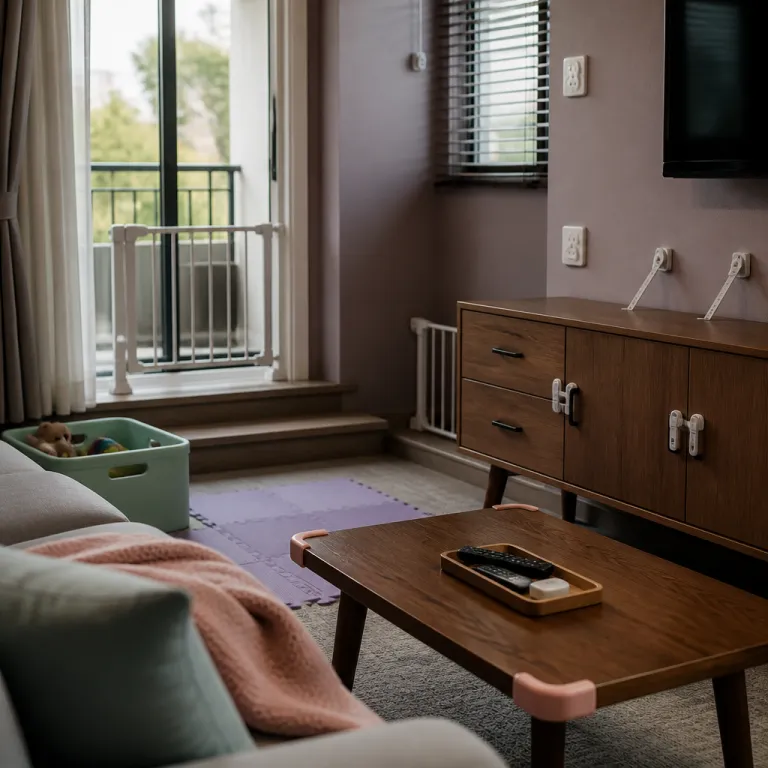
Why every luxury family stay needs a real safety checklist
Parents booking a luxury condo often assume that a “kid-friendly” label guarantees safety. In reality, a true family friendly condo safety checklist goes far beyond a high chair and a spare cot, and it starts long before you roll your stroller through the lobby. When you treat safety as a core amenity, not an afterthought, you protect your children and preserve the calm you came here to find.
Begin with a pre-booking safety check that reads like a professional inspection, not a casual glance at photos. Ask the property manager to walk you through their latest safety checklist and to confirm that a formal inspection checklist exists for each condo unit, not just for the building’s common areas. Parents and property managers share the same objective here; they both want to prevent accidents, ensure child safety and promote secure living spaces.
Request written confirmation that all essential systems and appliances are in good working order. That means the heating and cooling system, the water heater, the smoke alarms and any carbon monoxide detectors have been tested recently and logged in a maintenance record. As a practical benchmark, many safety organisations recommend testing alarms at least monthly and servicing water heaters annually. When a manager can show you that every system has passed a recent damage check, you know they treat safety as seriously as thread count.
Data from child safety experts show that a significant share of injuries happen at home, and condos are no exception. The U.S. Centers for Disease Control and Prevention (CDC), for example, reports that unintentional injuries send millions of children to emergency departments each year and remain a leading cause of death for ages 1–19. Paediatric burn-prevention guidance and fire-safety standards similarly highlight hot water, smoke and carbon monoxide as key household risks. This underlines why a rigorous safety inspection is non negotiable. Luxury does not cancel risk; it simply gives you more levers to keep your children safe when you use them well.
Room-by-room condo inspection checklist for parents
Once you arrive, treat the condo like a new home and run your own inspection. Walk through every room with a calm but critical eye, using a printed family friendly condo safety checklist or a digital note on your phone. This is not about paranoia; it is about turning a quick safety check into a five minute ritual that keeps small children away from big problems.
Living area checklist
- Confirm that televisions, bookcases and shelving are firmly anchored and cannot tip if a child pulls on them.
- Check that windows and balcony railings meet modern spacing standards so a child cannot slip through or climb over easily.
- Scan for sharp corners at child height and fragile glass tables; ask the property manager to rearrange or remove unstable pieces before your children start to explore.
Bedroom and nursery checklist
- Focus on windows, doors and closets. Confirm that all windows have secure locks and that doors and windows cannot slam shut on tiny fingers when cross breezes pick up.
- For nurseries or toddler rooms, keep the layout simple, push heavy furniture away from beds and avoid placing climbable items near windows or balconies.
- Look under beds and sofas to be sure crawl spaces do not hide exposed wires, loose hardware or forgotten cleaning products.
Kitchen and garage checklist
- Test that major appliances are in safe working order and that hot surfaces are out of easy reach of small children.
- Check that child locks are installed on lower cupboards, especially where cleaning products, alcohol or sharp utensils might be stored.
- Run the tap to confirm that water pressure at the sink does not surge unpredictably when other systems run.
- If the condo includes a connected garage, look at the garage door controls, test the auto-reverse function and keep remote openers out of reach of children who love buttons.
Families heading to Florida condo hotels, for example, can apply the same method when reviewing high comfort condo hotel stays in Orlando. Whether you are in a high rise with sweeping views or a low rise near the parks, the same safety checklist principles apply to every property. To make this easier, create a one page printable checklist with sections for living areas, bedrooms, bathrooms, kitchen and outdoor spaces, then tick items off as you walk. The more systematic your inspection, the more confidently you can let children settle into their temporary home.
Hidden hazards: water, air and the systems you never see
The most polished condo can hide its biggest risks behind walls and under sinks. Water, air and mechanical systems rarely appear in glossy listings, yet they sit at the heart of any serious family friendly condo safety checklist. Parents who ask the right questions about these invisible systems gain a level of control that glossy photos can never provide.
Begin with water safety, both in the bathroom and the kitchen. Ask when the water heater was last serviced, and request a quick test of the hot water temperature to be sure it will not scald a child’s skin. Many paediatric safety guidelines suggest setting the maximum hot water temperature around 49 °C (120 °F) to reduce burn risk. While you are there, run the taps to check that water pressure is stable and that there are no early signs of water damage around basins, bathtubs or under sink crawl spaces.
Air quality is the next quiet risk, especially in sealed high rise condos. Confirm that smoke alarms and carbon monoxide detectors are installed in sleeping areas and near the heating and cooling system, and ask the manager to show you the test button so you can check them yourself. Most fire safety authorities advise pressing the test button at least once a month and replacing batteries yearly. If a condo lacks these basic devices, treat that as a red flag and either insist on immediate installation or choose another property.
Mechanical systems deserve the same scrutiny as marble countertops. A responsible property manager will keep a maintenance log that shows every system and appliance has been inspected and kept in good working order, from the ventilation to the garage door mechanism. As a rule of thumb, heating and cooling systems should receive professional servicing at least once a year. When you read that a condo has passed a recent damage check on all major systems, you can trust that unseen issues are less likely to disrupt your stay.
Families booking alpine stays, such as those near adventure playgrounds in Austria, should apply this lens when evaluating elegant family focused properties in Leogang. Cold climates add extra layers to the safety checklist, including reliable heating systems and well maintained common areas where ice can create hidden hazards. Whatever the destination, a quiet conversation about systems and maintenance is one of the most powerful safety tools a parent has.
Age-specific safety: what toddlers, school-age kids and teens really need
Not all “kid-friendly” claims mean the same thing when you travel with children of different ages. A family friendly condo safety checklist for a crawling toddler looks very different from one for a teenager who mainly wants WiFi and privacy. The smartest parents tailor their inspection checklist to each child’s stage, then choose properties whose design and systems match those needs.
For babies and toddlers, focus on physical barriers and easy access to hazards. Safety gates at stairs, outlet covers, locked cabinets and secure windows and doors matter more than themed bedding or toys. Ask hosts directly whether they have children themselves, because hosts who live with small children tend to keep cleaning products high, anchor heavy furniture and think about issues like balcony rail spacing long before you arrive.
School-age children need space to play safely and clear rules about where they can roam. Look for condos with generous common areas, soft flooring and minimal glass, and check that doors and windows do not open straight onto pools or driveways without a barrier. When you walk the property together, point out safe zones and off limit areas, then keep the safety checklist visible so older children feel involved rather than restricted.
Teenagers bring different questions to the table. They care about WiFi strength, separate sleeping spaces and sometimes a connected garage door or gym with easy access, but parents still need to check systems, appliances and security. Make sure they understand how to test smoke alarms, how to keep windows locked at night and what to do if they notice water damage, strange smells or any system that is not in safe working order.
Some families like to combine city stays with vineyard escapes, and the same logic applies when browsing refined condo hotel packages between San Francisco and Napa Valley. Whether your teenager is streaming from a mezzanine bedroom or your toddler is napping beside floor to ceiling windows, the right age specific safety checklist turns a stylish condo into a genuinely secure base. Luxury is the backdrop; the real upgrade is knowing every child in the family can move freely without unnecessary risk.
Working with property managers: questions, liability and peace of mind
Behind every excellent family stay sits a property manager who treats safety as a daily practice, not a marketing line. When you book a condo hotel through a premium platform, use your first message to set expectations about your family friendly condo safety checklist. Clear questions about inspection routines, systems and liability signal that you are a serious guest who values both comfort and care.
Ask who is responsible for the regular inspection of each condo and how often they complete a formal inspection checklist. A strong answer will mention monthly or pre arrival checks, documented maintenance for heating and cooling systems and appliances, and rapid response procedures when guests report issues. You want to hear that they conduct regular safety audits and immediate hazard rectification, not that they simply wait for complaints.
Liability is a delicate topic, but it matters when you travel with children. Clarify how the building’s insurance interacts with the booking platform’s coverage if a child is injured because a system was not in good working order or a known hazard was ignored. While most platforms offer some guest protection, the building’s own policy and the manager’s willingness to act quickly remain your first line of defence.
Smart home safety devices are becoming a quiet ally for travelling families. Many high end condos now use connected sensors to test for water leaks, monitor smoke levels and flag carbon monoxide issues before guests even notice a problem. When a manager can explain how these systems help them keep the property safe between stays, you gain confidence that your own on arrival damage check is just one layer in a broader safety net.
Parents and property managers ultimately share the same goal; they both want to reduce injury risks and enhance parental peace of mind. To support that partnership, consider sending a short pre booking message that outlines your expectations, such as: “We are travelling with two young children and use a written condo safety checklist. Could you confirm the date of the last safety inspection, the presence of smoke and carbon monoxide alarms, balcony rail heights and any childproofing features in the unit?” When you arrive and see that doors and windows close smoothly, that systems respond instantly and that any early signs of water damage have already been addressed, you feel that collaboration in action. That is when a condo stops being just kid-friendly and starts feeling truly toddler proofed.
On-arrival routine: the five-minute safety test every parent should run
Even in the best managed condo hotels, your own eyes remain the final safeguard. A simple five minute safety test on arrival can turn a generic family friendly condo safety checklist into a personalised shield for your children. Think of it as unpacking your peace of mind before you unpack your suitcase.
Step-by-step five minute safety test
- Begin at the entrance and move clockwise through the condo. Check that doors lock securely from the inside, that windows have functioning latches and that door and window combinations do not create pinch points where a child could trap fingers.
- Scan for loose handles, exposed screws or heavy furniture that could tip. If you notice anything unstable, call the property manager immediately and ask for adjustments before children start to explore.
- In the kitchen and bathrooms, run a quick water and appliance review. Test the water pressure at each tap, feel the hot water temperature and look under sinks for early signs of water damage or cleaning products within easy access of small children.
- Switch on major appliances briefly to confirm they are in safe working order, and move anything with sharp blades or hot surfaces well out of reach.
- Finish with a systems and alarms sweep. Press the test buttons on smoke alarms and any carbon monoxide detectors, glance at the heating and cooling controls and note emergency exits in both the condo and the common areas.
If you are unsure about any system, ask the manager to walk you through it and to explain how they handle routine safety tasks such as installing safety gates, securing windows, locking cabinets, conducting monthly safety audits and using smart home devices to enhance monitoring and control. Once this quick damage check is complete, you can relax into the stay you actually booked. Children sense when adults feel secure, and that calm shapes the way they move through a new property. In the end, the most luxurious amenity any condo can offer a travelling family is the quiet confidence that every room has already passed your own private safety checklist.
FAQ: family condo safety for luxury stays
What are essential condo safety measures for toddlers in a hotel-style property ?
Essential measures include installing or confirming safety gates at stairs, securing windows with locks, and using cabinet latches to keep cleaning products and sharp objects out of reach. Parents should also check that heavy furniture is anchored and that balconies have safe rail spacing. A quick on arrival inspection using a written safety checklist helps catch anything the property team may have missed.
How often should a condo hotel be inspected for child safety hazards ?
For high turnover condo hotels, a basic safety inspection should happen before every new arrival, with a deeper inspection checklist completed at least monthly. This routine should cover systems, appliances, alarms and visible damage check items like loose railings or worn flooring. Parents can then run their own brief check on arrival to confirm everything remains in safe working order.
Are smart home safety devices in condos genuinely useful for families ?
Smart home safety devices can be very effective because they monitor risks continuously, not just during scheduled inspections. Leak sensors, connected smoke alarms and carbon monoxide detectors can alert property managers to water damage or air quality issues before guests notice them. For travelling families, these systems add an extra layer of protection on top of physical childproofing.
What should parents ask property managers before booking a luxury condo with children ?
Parents should ask about recent safety audits, the presence of smoke and carbon monoxide alarms, balcony and window safety, and how quickly maintenance teams respond to reported issues. It is also wise to ask whether the host or manager has children, because that often correlates with more thoughtful child focused design. Clear answers on these points help you judge whether a property is truly toddler proofed or just loosely kid-friendly.
How can families balance stylish interiors with practical safety needs ?
Families can look for condos where design choices naturally support safety, such as rounded furniture, secure railings and well planned storage that keeps hazards out of sight. Temporary measures like moving decorative objects, blocking easy access to certain drawers and rearranging light furniture can be done on arrival without damaging the property. The goal is to keep the aesthetic charm while quietly adjusting the space to suit the realities of travelling with children.