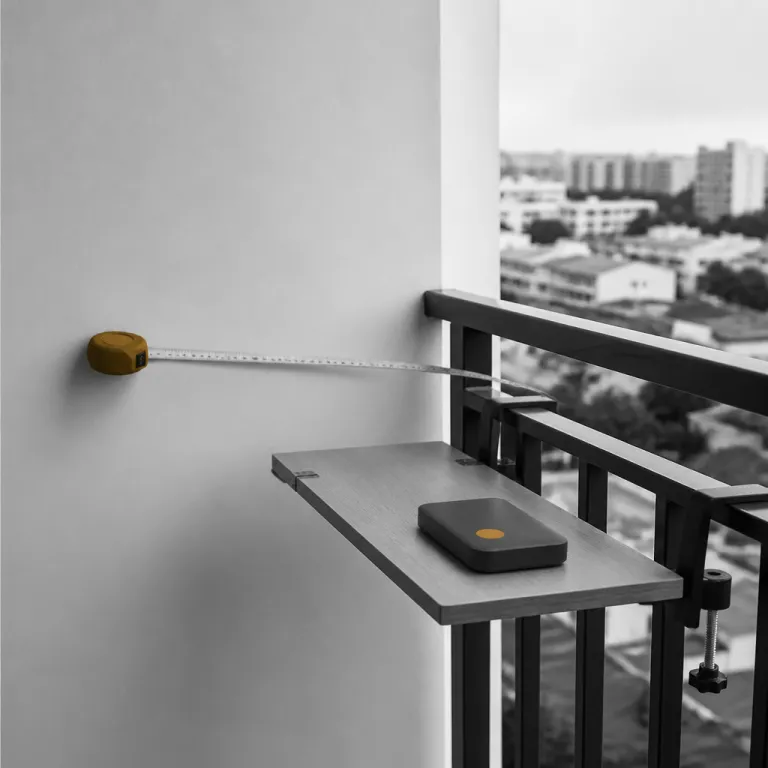
Section 1 – Why condo hotels are the natural habitat for the digital nomad
The modern digital nomad does not want a lobby, they want a living room that works as hard as they do. In luxury condo hotels, the right digital nomad condo rental checklist turns a beautiful property into a reliable base for remote work, long term stays and serious business travel. When you travel for work and leisure, the line between a good apartment and a frustrating rental is often the difference between a focused morning and a day lost to noise levels and weak WiFi.
Urban condo hotels suit digital nomads because they combine hotel level service with residential scale space. You get a full apartment with a kitchen, laundry and a defined place to work, while the concierge quietly handles transport options, maintenance and sometimes even mail for remote workers who arrive destination midweek. For a remote worker who treats term travel as a lifestyle, this hybrid model is usually a good idea, especially when the building is designed for quiet, privacy and the nomad lifestyle rather than short party stays.
Think of your digital nomad condo rental checklist as a personal guide, not a generic template. It should reflect how you work, how you rest and how you like to experience a neighbourhood as both a traveller and a temporary local during long term stays. Digital nomads who treat this checklist as a non negotiable tool will find that the same digital property that looks good on a platform like Airbnb can feel very different once you check the desk, the light and the sound of the street below.
Section 2 – WiFi, tech and the invisible infrastructure of remote work
For any digital nomad, WiFi is not an amenity, it is the infrastructure that makes the trip possible. Before you start apartment hunting, your digital nomad condo rental checklist should insist on proof that the connection supports serious remote work, not just casual browsing. Industry guidance for digital nomads suggests that a minimum recommended WiFi speed of 50 Mbps is a good baseline for video calls, cloud backups and multiple devices.
Do not rely on a vague “fast internet” line in a rental description, because that will not protect your meetings. Ask the property manager to run a speed test and send a screenshot, and remember the expert advice from the dataset : “Request a speed test screenshot from the host.” Use mapping services to check mobile coverage in the area as a backup, because even the best apartment can feel unusable if the digital infrastructure fails during a crucial call.
Tech readiness goes beyond bandwidth for remote workers who manage teams, clients and deadlines across time zones. Your digital nomad condo rental checklist should include enough power outlets near the desk, a surge protector, and space for a second screen, which many nomads now travel with. When you evaluate a listing quickly, use a structured approach such as the techniques in this condo listing evaluation guide, then follow up with direct questions about router location, building wide networks and any data caps that could affect long term stays.
Section 3 – Desk space, ergonomics and the reality of working days
Luxury condo hotels often photograph the sofa, not the workspace, yet the desk is where digital nomads spend most waking hours. A serious digital nomad condo rental checklist treats the workstation as a core feature, not an afterthought, because a dining table and a bar stool rarely support eight hours of focused work. The dataset is clear on best practice : “What is the ideal desk setup for remote work? A standard-height desk with an ergonomic chair.”
When you review a property, zoom in on photos to check chair type, desk depth and natural light, then ask the host for extra images if needed. Remote workers should confirm whether the chair is adjustable, whether the desk faces a wall or a window, and how noise levels change between morning and evening, especially in dense city centres. In many cities where condo stays quietly outperform hotels for extended business trips, such as Lisbon, Tallinn or Mexico City, the best units are those where the workspace feels like a small private office rather than a corner of the living room, as explored in this analysis of cities where condo stays outperform hotels.
Ergonomics matter even more during long term stays when a remote worker might log hundreds of hours at the same desk. Your digital nomad condo rental checklist should include space for a laptop stand, external keyboard and mouse, which are light to pack but transform the way you work. For many nomads, a good idea is to budget for a coworking space nearby as a backup, especially in destinations like Chiang Mai or Costa Rica where coworking space options are plentiful and reasonably priced for term travel.
Section 4 – Neighbourhood test : from coworking space to morning coffee
The neighbourhood below your balcony often determines whether a condo feels like an urban retreat or an isolated box. A refined digital nomad condo rental checklist always includes a neighbourhood test that goes beyond tourist sights to focus on daily routines, remote work needs and the subtle rhythms of local life. When digital nomads talk about their best stays, they rarely mention the lobby ; they talk about the café where they start work, the park where they walk at sunset and the grocery store two minutes away.
Use mapping tools to check walking distances to a coworking space, gyms, reliable coffee shops and late opening supermarkets before you confirm any rental. For remote workers, proximity to a coworking space is not just a nomads thing, it is a practical insurance policy against building maintenance, power cuts or unexpected noise levels in the apartment. Many digital nomads also scan Facebook groups for the city to ask about safety, street lighting and which blocks feel good after dark, because local knowledge often reveals more than polished real estate descriptions.
Some cities have become shorthand for the nomad lifestyle, and each demands a slightly different checklist. In Chiang Mai, the best apartment for a digital nomad might be a compact unit near Nimmanhaemin Road, where you can walk to a coworking space and cafés in under ten minutes, while in Costa Rica you may prioritise stable power, road quality and transport options to the nearest town. For executives extending business trips, the right place will balance quiet nights with easy access to meetings, and a digital nomad condo rental checklist keeps that balance front of mind when you compare properties across continents.
Section 5 – Platforms, pricing and the mid term sweet spot
Once you know what you need, the next step in any digital nomad condo rental checklist is choosing where to book. Traditional platforms like Airbnb remain useful for short stays, but for long term or mid term travel many digital nomads now prefer specialised rental platforms that focus on remote work ready properties. Options such as Flatio in Europe or NomadStays worldwide often include utilities, WiFi and cleaning in the price, which simplifies budgeting for remote workers who move every few months.
Luxury condo hotels listed on these platforms can cost more per night than standard rentals, yet the overall value for a remote worker can be higher. You gain predictable service, professional property management and often better real estate standards, which reduces the risk of surprises after you arrive destination and unpack your laptop. For executives combining business and leisure, paying a premium for a great apartment with reliable infrastructure is usually a good idea, especially when the alternative is losing billable hours to maintenance issues.
To benchmark prices, compare a month in a work ready condo in Lisbon, Bali, Mexico City and Tallinn, then factor in coworking space costs, transport options and travel insurance. Many digital nomads share spreadsheets in Facebook groups that break down total monthly costs, including rental, utilities and insurance, which can help you find the best balance between comfort and ROI. For deeper context on how short term rentals are reshaping destinations and opening new neighbourhoods to remote workers, this analysis of how short term rentals open new destinations is a useful companion to your own checklist.
Section 6 – Safety, insurance and the practical side of the nomad lifestyle
Behind every polished condo photo, a responsible digital nomad condo rental checklist hides a layer of risk management. Travel insurance is not just for lost luggage ; for digital nomads and remote workers it protects laptops, phones and the ability to work after an accident or illness. Many policies now include coverage for long term stays and remote work equipment, which is essential when your income depends on a single device.
Before you confirm any rental, check building security, fire exits and local safety reviews, especially in dense urban areas where noise levels and nightlife can change dramatically from one block to the next. Use Facebook groups and local forums to ask whether a particular place feels safe, and whether the property management responds quickly to issues, because responsiveness is a form of insurance in itself. Some digital nomads also maintain separate equipment insurance for high value gear, which can be a good idea when you move frequently between countries with different real estate standards and building regulations.
Finally, remember that a digital nomad condo rental checklist is a living document that evolves with your experience. The first time you travel as a nomad, you may focus on price and WiFi, but after a few trips you will add details about natural light, balcony space and how the neighbourhood sounds at 06:00. Over time, this personal guide becomes the most valuable tool you own, helping you find properties that support deep work, meaningful travel and a sustainable nomad lifestyle rather than a string of disconnected stays.
Key figures for work ready condo stays
- Minimum recommended WiFi speed for effective remote work in a condo is around 50 Mbps, which supports video calls, cloud tools and multiple devices without interruption, according to Digital Nomad GG.
- Average monthly coworking space cost for digital nomads is approximately 300 USD, based on Digital Nomad GG data, which should be added to your condo budget when planning long term stays.
- More than 65 countries now offer some form of digital nomad visa, which encourages term travel of several months and increases demand for condo style rentals with reliable workspaces.
- Global digital nomad numbers have surpassed 40 million people, and this growth has driven a marked rise in demand for urban condo hotels that combine hotel services with residential scale apartments.
- In many European capitals, mid term condo rentals of one to three months can be 15–30 % cheaper per night than equivalent hotel suites, especially when you factor in kitchen use and reduced restaurant spending.
FAQ about the digital nomad condo rental checklist
How can I test WiFi speed before booking a condo ?
The most reliable method is to ask the host or property manager for proof rather than trusting a description. You should request that they run a speed test in the apartment during typical working hours and send a screenshot of the results. As the expert dataset states, “Request a speed test screenshot from the host.”
What is the ideal desk setup for remote work in a condo ?
An effective setup includes a standard height desk, an ergonomic chair and enough space for a laptop stand plus external keyboard. The dataset guidance is explicit : “What is the ideal desk setup for remote work? A standard-height desk with an ergonomic chair.” This arrangement reduces strain during long workdays and supports productivity for remote workers.
How do I assess whether a neighbourhood suits digital nomads ?
Start by checking walking distances to a coworking space, cafés, supermarkets and gyms using mapping tools. Then read safety reviews and ask in local Facebook groups whether the area feels secure and quiet enough for work, especially at night. The dataset summarises this approach clearly : “How to assess a neighborhood's suitability? Check for nearby amenities and safety reviews.”
Should I choose a condo hotel or a standard rental for long term remote work ?
Condo hotels usually offer better service, maintenance and security, which can be valuable for executives and remote workers with demanding schedules. Standard rentals may be cheaper, but they often require more self management and can vary widely in quality. Your digital nomad condo rental checklist should weigh service level, workspace quality and neighbourhood convenience against price before you decide.
Is travel insurance necessary if I already have equipment insurance ?
Yes, because travel insurance and equipment insurance cover different risks for digital nomads. Equipment insurance focuses on devices, while travel insurance can include medical emergencies, trip interruptions and liability, all of which can affect your ability to work. Combining both types of insurance is usually a good idea for long term or frequent remote work travel.