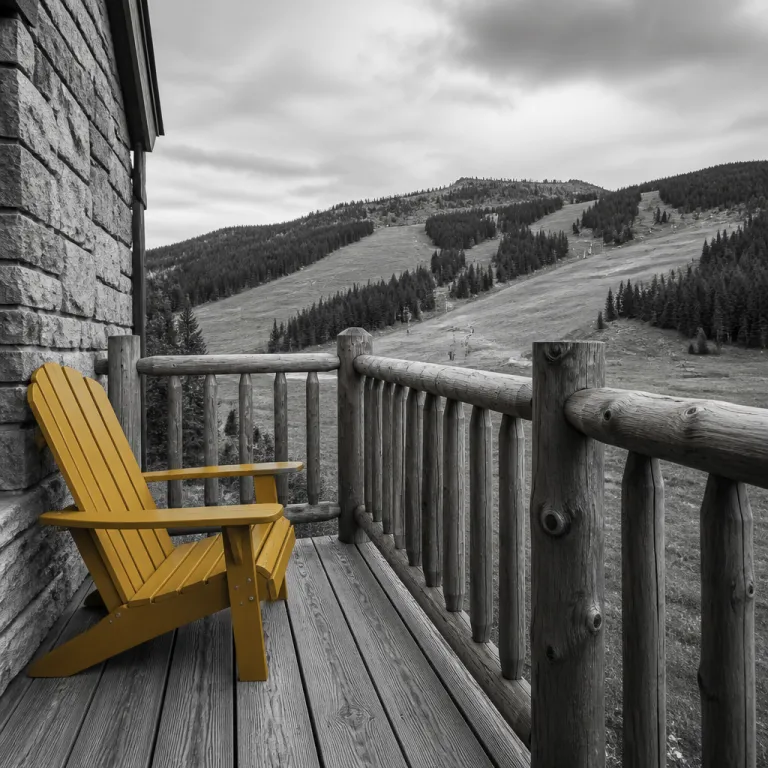
Why a mountain condo summer stay in a ski town is luxury value
A mountain condo summer stay in a ski town quietly rewrites the luxury equation. When winter rates can be three to four times higher than summer prices in the same building, a two bedroom condo in Breckenridge, Park City, or Chamonix suddenly competes with standard rooms in flat city hotels. You step into generous square metres, full kitchens, and private balconies for the nightly rate of a compact roadside stop.
These ski villages were engineered for peak season crowds, so the infrastructure feels almost indulgent once the snow melts and the lifts slow down. Corridors are wide, elevators oversized, and parking designed for SUVs loaded with gear, which means summer guests enjoy effortless logistics and a sense of calm usually reserved for far pricier resorts. For independent travelers, that combination of space, quiet, and reduced cost is the core of the mountain condo summer stay ski town advantage.
Local tourism boards and outdoor activity providers now coordinate summer calendars, using social media and travel agencies to highlight hiking festivals, bike races, and food events. Their objective is clear ; increase off season tourism, support local businesses, and keep the ski village economy stable beyond the snow months. As a guest, you benefit from this strategy with better restaurant hours, open lifts, and guided activities that would once have been unavailable between seasons.
Real data backs the shift ; destinations such as Sun Valley welcome tens of thousands of summer visitors, while places like Breckenridge enjoy mild average temperatures that feel luxurious when lowland cities overheat. Ski towns across the United States, the French Alps, the Dolomites, and Japanese mountain regions now treat June to September as a second, softer season. For travelers planning a mountain condo summer stay ski town escape, that means more choice, better pricing, and a richer sense of place.
Space, kitchens, and why ski condos outclass hotels in summer
Ski condos are built for gear, groups, and long winter weeks, so in summer their square footage feels almost extravagant. A typical two bedroom unit in a Colorado ski village might include a boot room, gear closet, and large living area, all of which become bike storage, yoga space, and quiet work zones once the snow has gone. Compared with a conventional hotel room, the mountain condo summer stay ski town layout simply gives you room to live.
Full kitchens are the real luxury, especially for solo explorers and small groups who value flexibility over room service. You can shop at the local market in the morning, stock the fridge, and treat the dining table as both workspace and dinner setting, which dramatically reduces restaurant costs over a week long stay. For travelers who care about wellness, being able to prepare fresh food after a long hike or lake swim is more restorative than any lobby bar.
Building amenities originally designed for winter guests also shine in summer ; hot tubs become post hike recovery pools, saunas help tired legs, and ski storage rooms quietly transform into secure bike garages. In some properties near hot springs or rivers, the condo model rivals dedicated spa resorts for relaxation, especially when you compare it with refined but more traditional hotel stays in other mountain destinations such as Saratoga, where riverfront luxury hotels set a different benchmark. The key difference is that a condo gives you private space to stretch out between those wellness moments.
Owners and local businesses increasingly coordinate to keep gyms, pools, and shared lounges open throughout the summer months, rather than closing them between seasons. This collaboration supports the wider goal of year round tourism and gives guests more reasons to choose a mountain condo summer stay ski town experience over a standard city break. When you can swim, steam, cook, and work without leaving the building, the value proposition becomes hard to ignore.
Mountain activities and the condo as your summer base camp
Once you treat your condo as a base camp, a mountain condo summer stay ski town itinerary almost writes itself. Mornings might start with gondola rides up from Breckenridge or Chamonix, followed by hiking along ridgelines, mountain biking through forests, or tackling via ferrata routes above deep valleys. Afternoons can shift to lake swimming near Annecy, wildlife watching in Colorado, or soaking in onsen in Japanese mountain towns.
The condo format suits this active rhythm because it is built for early departures and muddy returns. You can leave hiking boots in the entry, hang wet jackets in a laundry room, and roll bikes into repurposed gear spaces without worrying about hotel carpets or bell desks. Boot rooms that once stored skis and snowboards become practical staging areas for helmets, harnesses, and daypacks.
Many ski villages now program summer events to keep visitors engaged between outdoor sessions ; think food festivals, open air concerts, and local markets that showcase regional producers. Tourism boards, hospitality partners, and outdoor activity providers coordinate these calendars to extend the season from June through September, which in turn supports restaurants, guides, and shops. This ecosystem makes a mountain condo summer stay ski town experience feel lively rather than off season or sleepy.
If you are comparing destinations, Colorado resorts with summer gondola access excel for easy altitude, while the Dolomites win on UNESCO listed scenery and Italian food culture. French Alps hubs like Chamonix combine serious alpine terrain with café lined streets, and Japanese mountain towns add onsen rituals to the mix, creating a different kind of restorative luxury. For a deeper look at how these mountain communities evolve with tourism, the analysis of Colorado mountain villages shows how infrastructure built for winter quietly underpins exceptional summer stays.
Altitude wellness, neighbourhood life, and the economics of summer
Altitude has become a quiet form of wellness luxury, and ski towns are perfectly positioned to benefit. When lowland cities swelter, places like Winter Park, Breckenridge, or Engelberg sit at cooler temperatures, with cleaner air and easy access to forests and high meadows. That climate alone makes a mountain condo summer stay ski town escape feel restorative before you even unpack.
Wellness here is not about marble lobbies ; it is about mornings on the balcony where the village wakes up below you, and evenings when you walk to dinner in a light jacket instead of crossing an air conditioned parking lot. Trails often start within a few hundred metres of your building, so you can move from coffee to climb in minutes, then return to stretch in a living room designed for après ski gatherings. This rhythm of exertion and recovery aligns with the broader hospitality trend toward restorative luxury, where nature and sleep quality matter more than spectacle.
Economically, the picture is compelling for both owners and guests. Ski towns seek to increase off season tourism to stabilise local economies, so summer pricing remains attractive even as demand grows, which is why winter rates can be several times higher for the same condo. For travelers, that means the cost of a spacious, well equipped unit in a prime village location can rival or undercut a small hotel room in a busy city.
Local businesses benefit from this shift as cafés, gear shops, and guides stay open longer, creating a more authentic neighbourhood feel for visitors who stay a week rather than a weekend. If you want to understand how this dynamic reshapes streets and communities, the report on how short term rentals change city blocks offers useful parallels for mountain towns. In practice, a well managed mountain condo summer stay ski town ecosystem can support both residents and travelers when policies and partnerships are thoughtfully designed.
How to choose the right mountain condo in a summer ski town
Selecting the right property for a mountain condo summer stay ski town trip starts with location. Look for condos within walking distance of the main village square, with easy access to lifts, trailheads, and grocery stores, because that proximity shapes how often you actually use your car. A central yet quiet street often delivers the best balance between atmosphere and sleep quality.
Next, pay attention to layout and storage, not just décor. Floor plans that include entry benches, gear closets, and laundry facilities will make a bigger difference to your stay than a statement light fixture, especially if you are hiking or biking daily. Check whether boot rooms or ski lockers can be used for bikes in summer, and confirm that building rules support this kind of active use.
For longer stays, prioritise a full kitchen with modern appliances, a comfortable dining table, and a balcony or terrace with enough width and height to feel usable, not symbolic. These details turn a condo from a place to sleep into a place to live, particularly for solo explorers who might work remotely between mountain sessions. If you are sensitive to noise, ask about the unit’s position relative to pools, roads, and late night venues.
Finally, consider the wider ecosystem ; how engaged are local tourism boards, outdoor providers, and residents in promoting summer activities. Towns that publish clear event calendars, maintain trails, and support local businesses tend to deliver more satisfying stays and better long term investment prospects for owners. As one local guide put it succinctly, “Hiking, mountain biking, fishing, festivals, and more.”
Technical layer: how condo platforms present mountain stays beautifully
Behind every polished listing for a mountain condo summer stay ski town experience sits a quiet layer of data and design. Luxury booking platforms rely on a precise description field to translate square metres, balcony orientation, and proximity to the ski lifts into language that feels both accurate and aspirational. When this description is handled with care, guests arrive to find that the reality matches the promise.
Property managers work with digital équipes to ensure that each condo’s display name, or displayname, clearly signals its character, whether that is a top floor loft above the village or a ground level unit beside a forest path. Icons and fonts on the page, sometimes referred to internally as an icon displayname or a font icon, guide the eye toward key amenities such as pools, saunas, or bike storage. Thoughtful class font choices and a well structured description class help keep the interface elegant rather than cluttered.
Images do much of the emotional work, so teams obsess over every image URL, imageurl, and related metadata such as width, height, and even whether a file is saved as a crisp JPG or a heavier JPG &rev version for archival use. Designers might talk about an imageurl fontawesomeicon pairing, where a small fontawesomeicon sits beside a thumbnail to indicate features like ski access or village proximity, while a tagtype imageurl or false tagtype flag in the system determines how that asset appears on different devices. Behind the scenes, developers manage path and path fill attributes, fill rule settings, and styleclass isset logic so that icons scale cleanly on high resolution screens.
Ethical platforms also respect privacy and clarity ; fields such as ishidden or ishidden false, sortorder and sortorder ishidden, or even technical markers like &hash, &rev, text URL, and path target are used to organise content, not manipulate it. When an image artist contributes photography, credits are handled carefully through structures that might include null imagecreditinformation, imagecrediticonurl null, null videoartist, or videocreditinformation null, ensuring that nothing important is left as a misleading null in the public facing description. The goal is simple yet demanding ; make the digital journey toward a mountain condo summer stay ski town booking as considered and trustworthy as the stay itself.
FAQ
What activities are available in ski towns during summer ?
Hiking, mountain biking, fishing, festivals, and more.
Are mountain condos a good investment for summer rentals ?
Yes, due to rising summer tourism in ski towns.
How do ski towns attract visitors in the summer ?
By offering diverse activities and events.
When is the best time for a summer stay in a ski town ?
Most mountain destinations run full summer operations from June to September, with July often bringing the busiest event calendars and the widest choice of guided activities. If you prefer quieter trails and slightly cooler evenings, late June and early September can be ideal periods.
How should I prepare for altitude during a mountain condo summer stay ?
Plan to hydrate well, avoid heavy exertion on your first day, and sleep with windows slightly open if nights are cool enough, which helps your body adjust. Checking weather forecasts before visiting and packing layers for changing temperatures will also make your stay more comfortable.