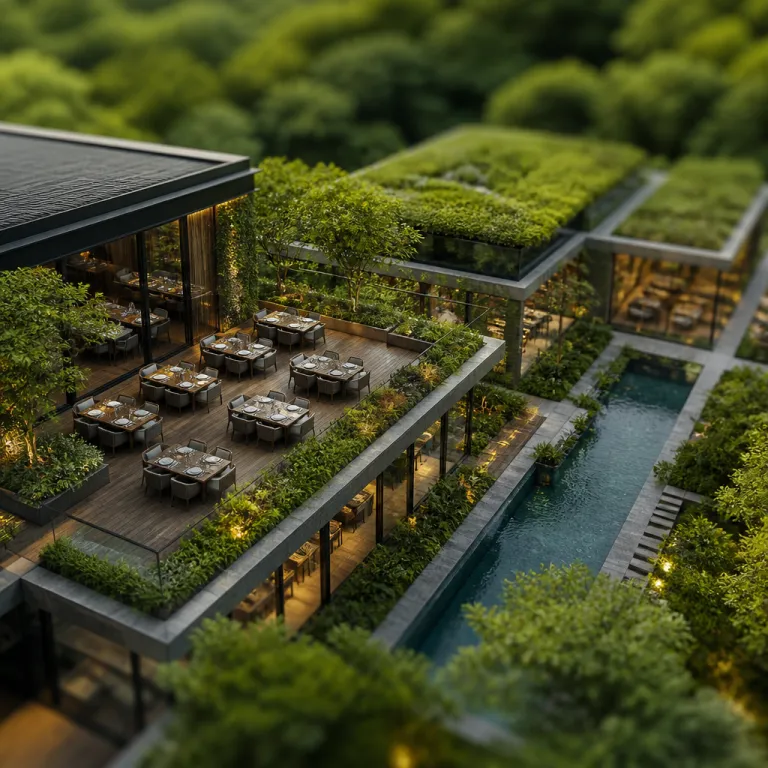
Restaurant hotel elegance in luxury condo hotels
Choosing a luxury condo style restaurant hotel means your suite and your table feel equally curated. In the hospitality services context, hotels provide lodging while restaurants serve food, yet the finest hotel restaurants blur that boundary with seamless, on property dining experiences. Many travelers now expect a refined restaurant bar, a tranquil pool, and a polished hall for meetings events to sit alongside residential style suites in one coherent condo hotel concept.
On a premium booking website for condo hotels, you should look for a clear dining overview that explains every restaurant, bar, and lounge in the property. A strong restaurant hotel profile will highlight its kitchen leadership, the wine list philosophy, and how the hotel offers both formal and casual dining options for different moods. When you compare hotel restaurants, pay attention to whether the menus show a balance of local cuisine, lighter poolside dishes, and elevated classics that suit longer condo style stays, ideally with sample menus or chef’s recommendations.
Industry guides often repeat that hotels focus on rooms while restaurants specialise in food and beverage, yet the most successful restaurant hotel concepts turn this into a partnership rather than a divide. When you read an overview on a booking platform, check how the hotel restaurant connects to the lobby hall, the pool terrace, and any historic wings, because that layout shapes your daily rhythm and how easily you can move between your condo style suite and each dining venue.
Culinary experience as the heart of condo hotel living
In a luxury condo hotel, the restaurant hotel is not an afterthought but the social heart of the building. Guests might stay for several weeks, so hotel restaurants must offer varied dining options that keep the cuisine engaging without feeling repetitive. This is where a thoughtful dining overview on a booking website becomes essential, because it shows how breakfast, lunch, casual dining, and late night cocktails fit into your stay and whether the property can support different routines.
Look for a hotel restaurant that publishes a transparent menu with seasonal changes, clear information about the kitchen team, and notes on any extensive wine program. Properties that invest in handcrafted cocktails and a serious wine list usually signal a broader commitment to quality in every dining experience. For instance, a condo hotel in New York might showcase a chef with Michelin experience and list the regions represented in its cellar, while a coastal property could emphasise daily seafood deliveries and a curated rosé selection to match terrace dining.
For longer stays, the best restaurants within condo hotels often blend restaurant bar energy with the privacy of residential living. You might enjoy tex mex inspired pool snacks at midday, then return to the same restaurant hotel for a more formal dining experience in the evening. One guest at a coastal condo hotel, for example, described how “breakfast on the terrace, casual tacos by the pool, and a tasting menu in the main dining room made a ten night stay feel like three different trips.” When you evaluate hotel offers, consider whether the property provides in suite dining experiences that mirror the main restaurant menu, because this flexibility matters on business trips and family holidays.
From texas flavors to global cuisine in restaurant hotels
Regional character gives a restaurant hotel its personality, and nowhere is this clearer than in texas, where tex mex cuisine and smoke kissed meats often headline the menu. A luxury condo hotel in texas might feature a main hotel restaurant with refined dining, while a second restaurant bar near the pool focuses on casual dining and handcrafted cocktails. When browsing a booking website, read the dining overview carefully to see how many distinct restaurants and bars the property actually operates and whether they all open daily.
Some travelers prefer a restaurant hotel that leans into local texas flavors, while others want global cuisine with an extensive wine selection from Europe and the Americas. A sophisticated booking platform will show how each hotel restaurant positions its cuisine, whether as a relaxed grill, a seafood focused dining room, or a chef driven tasting menu. If you are planning a longer coastal stay, a property like the refined condo suites highlighted in a Miami Beach condo hotel feature illustrates how poolside restaurants, lobby bars, and terrace dining can work together to create a full day of varied dining experiences.
Wherever you travel, the restaurant hotel should offer both casual dining and more elevated dining experiences under one roof. This dual approach allows you to enjoy relaxed tex mex plates by the pool one day, then a structured tasting menu with an extensive wine pairing the next evening. When you read an overview on a booking site, check whether the hotel offers themed nights, chef collaborations, or regional wine list spotlights, because these touches keep longer stays exciting and help you plan specific evenings in advance.
How to read a restaurant hotel page on a booking website
A well designed luxury booking website for condo hotels turns the restaurant hotel page into a practical planning tool. Start with the dining overview, which should summarise all restaurants, bars, and lounges, including any historic spaces or contemporary pool decks. If the overview feels vague, you may struggle later to understand which hotel restaurants match your preferred dining experiences or dietary needs.
Next, examine the menu links and any photos of the kitchen, restaurant bar, and hall areas used for meetings events. A serious restaurant hotel will share sample menus with clear pricing, notes on the cuisine style, and indications of vegetarian or lighter dining options. When a property highlights its extensive wine cellar, handcrafted cocktails, and flexible casual dining, you can expect a more rounded dining experience throughout your stay, especially if the photos show both daytime and evening atmospheres.
Many premium booking sites now integrate a book widget directly on the restaurant hotel page. You might see a button that lets you click open a reservation form, use an open book calendar, or complete a quick book click to secure your preferred time. Before you confirm, always visit website sections that explain dress codes, bar opening hours, and any hotel offers that bundle dining experiences with spa access or late checkout, and check whether the reservation tool clearly confirms these inclusions.
Smart booking tools for restaurant hotel reservations
Technology has transformed how guests interact with a restaurant hotel long before arrival. On a luxury condo hotel platform, you can often book your suite and your dining experiences in one smooth flow using an integrated book widget. This approach respects the reality that hotels use booking systems while restaurants use menus, yet it unites both sides of hospitality services for the guest and reduces the risk of missed reservations.
When you see a button labelled to click open reservations or an icon that looks like an open book, you are usually one step away from confirming your table. Some systems allow you to complete a book click for the hotel restaurant at the same time as you secure your preferred room category, which is especially helpful for peak seasons. If you plan important meetings events or family celebrations, reserving the hall and arranging set menus through the same interface can save time and reduce miscommunication between the front desk and the restaurant team.
Look for restaurant hotel pages that clearly state whether the bar, pool terrace, and hotel restaurants accept walk ins or require reservations. When a property promotes specific hotel offers that include a dining experience, check whether the book widget automatically applies those benefits or if you must enter a code. For complex itineraries that include several restaurants and casual dining options, consider contacting the hotel directly after you book online to confirm every detail of your dining experiences and any special requests.
Design, atmosphere, and views in restaurant hotels
Atmosphere often determines whether a restaurant hotel becomes the emotional centre of your trip. In luxury condo hotels, architects carefully choreograph the journey from the lobby hall to the bar, the main hotel restaurant, and the pool deck to create a sense of flow. When you study photos on a booking website, pay attention to how the restaurant spaces relate to the suites, because this relationship shapes your daily rituals and how often you are likely to use each venue.
A memorable dining experience usually combines a strong view, comfortable acoustics, and lighting that flatters both people and plates. Some hotel restaurants frame city skylines, while others overlook a tranquil pool or landscaped courtyard, and these different views influence whether the space suits business meetings or relaxed casual dining. Properties that invest in a coherent design language across the restaurant bar, wine list presentation, and menu layout tend to deliver more consistent dining experiences and make the condo hotel feel like a unified environment.
Historic buildings add another layer of character to a restaurant hotel, especially when original halls or staircases are preserved. In such settings, the kitchen often blends classic cuisine with contemporary techniques, while the bar team crafts cocktails that reference the building’s past. When you compare options on a curated platform such as elegant condo hotel packages for food and wine lovers, notice how each property balances historic charm with modern dining options and extensive wine programs, and whether the photos include clear alt text descriptions for accessibility.
Key statistics about hotels, restaurants, and dining experiences
- There are an estimated 700,000 hotels worldwide, according to Statista’s global hotel industry overview (2023), which means the competition for a standout restaurant hotel concept is intense in every major destination.
- The global restaurant industry generates around 3,400 billion USD in revenue, based on Statista data for 2022, highlighting how dining experiences now represent a major share of overall hospitality spending and influence where guests choose to stay.
- Hotels provide lodging while restaurants serve food, yet many hotel restaurants now operate as independent brands, reflecting the industry trend toward stronger culinary identities within accommodation providers and partnerships with well known chefs.
- As online booking systems evolve, more guests are using integrated tools to book both hotel rooms and restaurant tables in a single transaction, improving planning efficiency for longer condo hotel stays and helping properties forecast demand more accurately.
Frequently asked questions about restaurant hotels in condo properties
What is the main difference between a hotel and a restaurant in a condo hotel setting ?
The main difference remains functional, because hotels provide lodging while restaurants serve food, even when both operate inside the same condo style property. In a luxury condo hotel, the hotel manages suites, services, and amenities such as the pool and hall spaces, while the restaurant hotel team focuses on cuisine, menus, and the overall dining experience. Many guests experience both sides as one seamless stay, but behind the scenes they follow distinct professional standards and often separate management structures.
Can a condo hotel have several restaurants and bars ?
Yes, many upscale condo hotels feature multiple hotel restaurants and bars to serve different dining experiences. You might find a main restaurant hotel for refined dinners, a casual dining venue near the pool, and a lobby restaurant bar for cocktails and light snacks. When browsing a booking website, always read the dining overview to understand how many restaurants and bars are available during your stay and whether any operate seasonally.
Do all restaurants inside hotels offer lodging as well ?
No, restaurants primarily serve food without lodging, even when they operate inside a hotel building. A restaurant hotel simply means the restaurant is located within or directly connected to the hotel, not that it provides rooms. This distinction matters for regulations, staffing, and how bookings are handled through separate systems for rooms and dining, especially in larger condo style properties.
Should I book restaurant hotel tables in advance for my trip ?
Booking in advance is strongly recommended, especially for popular hotel restaurants in major cities or resort destinations. Using the book widget or reservation buttons that click open on the booking website helps you secure preferred times and any special hotel offers that include dining. Early reservations are particularly important if you plan meetings events, celebrations, or if the restaurant hotel is known among the best restaurants in the area and attracts local guests as well as travelers.
How can I evaluate the quality of a restaurant hotel before booking ?
Start by reviewing the menu, wine list, and photos of the dining spaces on the booking website or the official visit website of the property. Look for signs of a thoughtful cuisine concept, such as seasonal ingredients, clear dietary information, and an extensive wine program that matches the style of food. Guest reviews that mention consistent dining experiences, attentive service at the bar, and well organised meetings events in the hall also indicate a strong restaurant hotel operation and help you choose the right condo hotel for your stay.