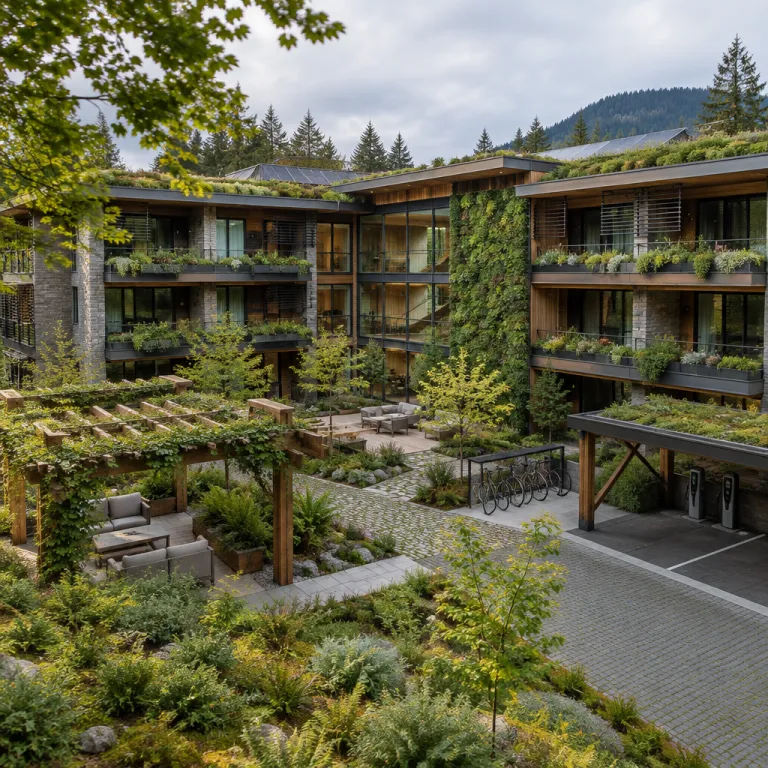
What really shapes an energy efficient condo rental footprint
Your energy efficient condo rental footprint starts long before you tap the thermostat. Behind every polished lobby, the building’s hidden systems for heating, cooling, ventilation and hot water quietly decide most of the stay’s energy costs. For a luxury rental property, those choices can mean the difference between an eco friendly stay and a high carbon footprint wrapped in premium linens.
Three forces dominate the energy story in modern condo units: heating and cooling loads, insulation quality and appliance efficiency. When a property uses high performance insulation, well sealed windows and doors and balanced air flow, it needs far less energy to keep temperatures stable over time, which directly lowers operating costs and the emissions behind your stay. In many single family homes, these upgrades arrive slowly as individual projects, but a well managed condo building can roll them out across dozens of units at once.
Look closely at how the property management describes the building’s systems, not just the décor. Serious property owners will mention central systems designed for energy efficiency, such as variable speed heat pumps, heat recovery ventilation and smart controls that reduce energy costs when units sit empty. When those systems are paired with efficient lighting, induction cooktops and modern laundry equipment, the benefits reach you as quieter comfort, cleaner air and lower shared bills that support long term investment in greener projects.
Design signals that reveal a low footprint condo stay
Before you book, the photos and amenity lists already hint at the real energy efficient condo rental footprint. Start with the building envelope: good insulation, modern windows and doors and thoughtful shading do more for energy saving than any reusable bathroom amenity. When you see deep window frames, double or triple glazing and exterior blinds, you are looking at design that tames both heat and light for better efficiency.
Inside the units, scan for induction cooktops, LED lighting and compact, well zoned spaces that keep air moving without overworking the system. A smaller, well insulated rental property with cross ventilation will often feel cooler and fresher than a sprawling suite that relies on constant mechanical heating and cooling, even in a luxury segment. Properties that highlight Energy Star rated appliances and low flow water fixtures are quietly signalling that they care about both energy and water use, not just headline grabbing solar projects on the roof.
Many premium condo stays now publish sustainability highlights alongside their design notes, and the most transparent ones break out details on energy efficiency upgrades and solar panels. When you read a sustainability focused performance review such as this analysis of eco condo certification numbers, you start to see which claims actually move the needle on carbon footprint. Use that lens when you compare properties, and you will quickly spot which marketing photos hide old windows and tired systems that quietly inflate the energy costs behind your stay.
Why a well designed condo can beat a hotel night on footprint
A thoughtfully planned condo often carries a lighter energy efficient condo rental footprint than a comparable hotel suite. The reason is simple: you typically occupy a self contained space with fewer shared corridors, less 24 hour lighting and no oversized public areas that demand constant heating and cooling. When the building’s property management team invests in energy efficient systems, the benefits scale across every floor and every guest.
In many high rise properties, shared boilers, centralized heat pumps and rooftop solar panels spread the energy saving impact over dozens of units at once. That means each rental night uses a smaller slice of total energy, especially when property owners have upgraded insulation, weather sealed windows and doors and installed smart controls that cut air conditioning when no one is inside. By contrast, a traditional hotel lobby, banquet level and back of house network can quietly drive up operating costs and energy bills, even if the rooms themselves look efficient.
Of course, not every condo stay is automatically eco friendly, and some green labels hide dated systems and poor management. Critical reviews such as this deep dive into the sustainability gap show how a property can market itself as energy efficient while still running inefficient air systems and leaking heat through old façades. The smartest travelers read those asked questions and frequently asked clarifications from past guests, then pair them with visible design cues to judge whether a condo genuinely helps them save energy during their long term or short city stays.
How to read listings for real energy efficiency, not just green labels
Most luxury listings now mention sustainability, but only some truly reduce the energy efficient condo rental footprint. When you scan a page, look beyond vague eco friendly claims and search for specifics about insulation, window and door upgrades, heating and cooling systems and any on site solar panels. Concrete details about energy efficiency upgrades tell you far more than a single green icon.
Start with the building description and any owner portal or property management notes shared with guests. A serious property will reference energy efficient glazing, smart thermostats, zoned air systems and perhaps an Energy Star rating for major appliances, all of which lower energy costs and improve comfort. If the listing mentions real time monitoring or automated controls that reduce power when units sit empty, that is a strong sign that management treats energy as a core part of operating costs rather than a marketing afterthought.
Guest reviews are another rich source of frequently asked insights about temperature stability, air quality and noise. When travelers praise how quickly rooms reach a comfortable temperature and how steady that comfort feels over time, you are likely seeing the benefits of good insulation and balanced air flow. Cross reference those comments with any mention of water saving fixtures, low flow showers and dual flush toilets, because efficient water use often travels with broader energy saving projects that shrink the carbon footprint of every rental night.
Low effort choices guests control during a condo stay
Even in a well designed building, your own habits shape the energy efficient condo rental footprint of your trip. The good news is that small, low effort choices can deliver outsized benefits without compromising comfort or luxury. Think of it as aligning your personal flow through the space with the way the property was engineered to save energy.
Start with heating and cooling: set the thermostat a couple of degrees higher in summer or lower in winter, and let the building’s insulation and upgraded windows and doors do more of the work. Use natural air flow by opening windows at cooler times of day if the property allows it, then closing blinds or curtains during peak heat to lock in that comfort. These moves reduce the strain on mechanical systems, trim the hidden energy costs behind your stay and often create a calmer, quieter interior.
Appliance use is another easy win, especially in condo units with full kitchens and laundry. Run dishwashers and washing machines only with full loads, choose lower temperature cycles and rely on induction or electric cooking surfaces that already prioritize energy efficiency. Turn off lights and electronics when you leave, and you will not only save energy but also support the long term business case for property owners and management teams to keep investing in better, more efficient projects across their rental portfolios.
How condo platforms and property management shape your unseen footprint
Behind every polished listing, there is a network of decisions by property owners, managers and booking platforms that shapes the energy efficient condo rental footprint. On a curated site like condo-stay.com, the editorial lens favors properties where design, neighbourhood access and efficiency align, rather than just a long amenity list. That focus nudges both guests and hosts toward choices that quietly reduce carbon footprint while keeping the stay experience elevated.
Professional property management companies increasingly use digital tools and an owner portal to track energy costs, water use and maintenance across multiple rental property units. When they see that energy bills fall after upgrading insulation, windows and doors or installing solar panels, they have hard data to justify rolling similar projects across more buildings over time. Those investments lower operating costs, strengthen long term asset value and create a virtuous circle where efficient design becomes a competitive advantage in the luxury rental market.
For travelers, this means that the most sustainable choice is often a condo where management has already done the hard work of integrating energy saving systems into everyday operations. When you read platform guides such as the shoulder season analysis on how condo rates reset in the September window, you see how pricing, occupancy and efficiency intersect across the year. Choosing a property that balances energy, comfort and cost does not just help you save energy during your stay; it also rewards the owners who treat sustainability as part of the guest experience rather than a side note.
Key figures that frame an energy efficient condo rental footprint
- According to the International Energy Agency’s “Buildings” analysis (IEA, 2023, https://www.iea.org/topics/buildings), buildings account for roughly 30 percent of global final energy consumption, which means every improvement in condo energy efficiency directly reduces the carbon footprint of travel stays.
- Data from the U.S. Energy Information Administration’s “Residential Energy Consumption Survey” (EIA, 2015, https://www.eia.gov/consumption/residential/) shows that space heating and cooling together can represent more than 40 percent of residential energy use, so better insulation and modern windows and doors in condo units have an outsized impact on energy costs and comfort.
- The U.S. Environmental Protection Agency notes in its “Energy Star Products” overview (EPA, 2024, https://www.energystar.gov/products) that Energy Star certified appliances use about 10 to 50 percent less energy than standard models, which significantly lowers operating costs in rental property portfolios with many units.
- Studies from Lawrence Berkeley National Laboratory’s “Multifamily Solar” work (LBNL, 2018, https://eta.lbl.gov/publications) indicate that rooftop solar panels on multi unit buildings can offset a substantial share of common area electricity use, especially when paired with LED lighting and smart controls that further save energy.
- Research summarized by Rocky Mountain Institute in “Deep Energy Retrofits” (RMI, 2019, https://rmi.org/insight/deep-energy-retrofits) has found that comprehensive upgrades, including insulation improvements and high performance windows, can cut building energy use by 30 to 50 percent over time, improving both guest comfort and long term asset value for property owners.
Frequently asked questions about condo energy footprints
How can I quickly judge a condo’s energy efficiency from a listing ?
Look for mentions of insulation, double or triple glazed windows and doors, modern heating and cooling systems and Energy Star rated appliances. Photos that show deep window frames, exterior shading and LED lighting are also strong signals. When reviews praise stable temperatures and quiet air systems, that usually reflects solid energy efficient design.
Are condos generally more energy efficient than hotels for short stays ?
Many condos use less energy per guest because they avoid large lobbies, banquet spaces and constantly lit corridors. When a building has good insulation, efficient air systems and sometimes solar panels, each occupied unit carries a smaller share of total energy use. However, the real comparison depends on how seriously each specific property invests in energy saving projects.
What should eco minded travelers ask property management before booking ?
You can ask whether the property has upgraded insulation, high performance windows and doors and modern heating and cooling equipment. It is also reasonable to ask if major appliances are Energy Star certified and whether any solar panels or other renewable energy sources support the building. Clear, specific answers usually indicate that management tracks energy costs and treats efficiency as part of long term planning.
Do my personal habits really change the condo’s carbon footprint ?
Yes, your behavior during a stay meaningfully affects the energy efficient condo rental footprint. Sensible thermostat settings, using natural ventilation when possible and turning off unused lights and appliances all help reduce energy use. These small choices add up across many guests and support the business case for property owners to keep investing in efficient systems.
Is paying a bit more for an efficient condo worth it over time ?
Paying a modest premium for a genuinely efficient rental property often delivers better comfort, quieter systems and a lower carbon footprint. Over time, consistent demand for such units encourages more property owners and managers to invest in energy saving upgrades. That shift gradually lowers the hidden energy bill of travel for everyone, not just eco focused guests.